
The Housing Guild
The Housing Guild: What Bay Area Property Owners Should Know Before Requesting a Proposal

What The Housing Guild is and what this profile can establish
The stated scope includes service in San Francisco and the Peninsula, management for apartments, commercial properties, condos, and homes, owner systems, and a free, no-obligation proposal. It can also separate stated capabilities from conclusions you still need to reach about a particular building.
The distinction matters because a company description is an initial fit screen, not a property-specific recommendation. Use the sections below to identify where the documented scope aligns with your needs and where the proposal discussion needs to become more specific.
The Housing Guild’s stated history and Bay Area context
Our property-management history has two date points that should be read together. Our property-management roots trace back to 1945, and The Housing Guild was formally founded in 1977. We also describe ourselves as having managed Bay Area rental property since 1977.
Those statements distinguish an earlier history of property-management roots from the date of formal founding and the stated start of Bay Area management. They support a long-running local identity, but they should not be treated as a single, more specific historical claim than the wording establishes. The information does not, by itself, identify the team assigned to your property or establish current availability.
Our Bay Area context includes San Francisco and the Peninsula, with South San Francisco specifically represented in the documented service material. San Francisco examples include Victorian flats, apartment buildings in Pacific Heights and the Marina, and mixed-use properties in the Mission and Richmond. The local material also describes management for you whether you live near the property or across the country.
This context is useful when your property has San Francisco operating exposure or sits elsewhere on the Peninsula. It is not a blanket statement about coverage in every Bay Area city. Start with the property’s actual city and the responsibilities you need handled, then compare those facts with the scope described here.
Property types documented in The Housing Guild’s service scope
Documented property coverage includes South San Francisco apartment buildings, commercial properties, condos, and homes. For South San Francisco, we describe the offering as full-service management across those property categories.
That list gives you a direct first check. Identify whether your asset is an apartment building, commercial property, condo, or home, and record the city alongside it. A category match establishes that the property type appears in the stated scope; it does not establish that every building configuration, unit count, ownership arrangement, or operational condition has the same fit.
A property-type match is only one part of the decision. Two properties in the same category can require different levels of leasing coordination, maintenance oversight, compliance handling, accounting support, or owner communication.
Use your property’s description as a short operating brief. Include the property type, city, approximate scale, current occupancy situation, recurring maintenance demands, and the areas where you want outside support. That brief will make the difference between a general category match and a useful fit discussion.
Leasing, maintenance, compliance, and accounting responsibilities
Our documented operating scope covers leasing, compliance, maintenance, and accounting for Bay Area buildings managed on behalf of property owners. These responsibilities represent the main operating handoffs you need to examine: attracting and placing tenants, coordinating property work, handling compliance-related tasks, and maintaining financial records.
The value of this description is its breadth, not a promise that every responsibility has identical terms for every property. Treat each category as a line item that needs to be connected to your building’s actual needs.
These four categories are easier to evaluate when read as distinct forms of work rather than as one undifferentiated promise. Leasing and tenant placement describe the tenant-facing function; maintenance describes coordination of physical work and vendors; compliance identifies a local responsibility; and accounting describes financial records and owner payment flows. This separation does not add terms that are absent from the profile. It clarifies what each category means at a high level and why a property owner should review them separately.
The profile can therefore support a broad scope statement without answering every operational boundary. For example, the documented accounting and reporting language indicates that financial information and owner draws are part of the described system, but it does not state a reporting schedule or establish a particular financial result. The maintenance description identifies vendor coordination, but it does not state that every repair, vendor decision, or cost is covered under identical terms. The compliance description identifies a subject area, but does not resolve the legal position of a particular property. These are boundaries of interpretation, not missing evidence to fill with assumptions.
This reading also helps distinguish a service category from an outcome. Leasing does not equal a promised leasing timeline; maintenance coordination does not equal a guaranteed maintenance result; and owner reporting does not equal a guaranteed return. Keeping those distinctions visible makes the profile more useful for an initial review while preserving the line between company-reported capabilities and property-specific terms. A broad label can be accurate and still incomplete. The documented categories tell an owner where to look for relevance; they do not collapse distinct questions about tenant-facing work, physical work, local rules, and financial visibility into one answer.
Leasing and tenant placement are documented services for Bay Area rental owners. For a property that is vacant, approaching turnover, or being repositioned, that scope points to the tenant-facing part of the operating relationship. You can use it to frame questions about the leasing responsibility your property would require, without assuming a particular leasing timeline or tenant outcome.
Maintenance coordination is also part of the stated scope. We coordinate vetted vendors at fair pricing for property maintenance.
Compliance handling and accounting complete the four-part scope described for Bay Area buildings. Our local material also identifies online owner portals, owner draws by direct deposit, and detailed reporting as part of the operating system.
For your assessment, separate the responsibilities into a simple ownership map:
- Leasing and tenant placement
- Maintenance coordination and vendor work
- Compliance-related handling
- Accounting, reporting, and owner payments
Then mark which responsibilities you expect to retain and which you want handled. The resulting map gives you a concrete basis for comparing the documented scope with your property rather than evaluating a broad service label.
San Francisco compliance knowledge as a diligence point
San Francisco compliance knowledge is a specific diligence point when your property operates under local rental rules. Our local team works with knowledge of the San Francisco Rent Ordinance, Rent Board rules, just-cause eviction, and the city’s rent-controlled housing stock.
This statement identifies the regulatory subjects included in the stated local scope. It does not turn a general description into a conclusion about your property’s legal position, tenant situation, or required action. Your assessment should focus on whether the responsibilities connected with your building are clearly described and assigned.
A useful diligence record connects each local compliance topic to the property facts that make it relevant. For example, note the city, property type, occupancy circumstances, and any current issue that affects the management relationship. You can then use that record to keep the proposal discussion focused on the responsibilities your property presents.
The same approach applies if your property is on the Peninsula rather than in San Francisco. Do not assume that a San Francisco-specific description answers every question for another city. Treat location as a first-order input in the fit assessment.
Owner portals, reporting, and financial visibility
Our owner platform lets you view financial statements, access shared documents, and set up online payment options.
These features address a practical management concern: how you see activity when you are not handling every task yourself. Financial statements support review of the property’s records, shared documents provide a central place for materials, and online payment options describe a way to handle payments through the platform. Those features do not establish a promised return, savings amount, or specific reporting schedule.
The reported portfolio figure is approximately 1,000 units. Because an approximate unit count can change over time, use it as context rather than as a measure of suitability for your building. Scale alone does not tell you how your property would be supported or what level of communication you would receive.
A practical visibility checklist for your property includes:
- Access to financial statements
- Access to shared documents
- Information about owner draws by direct deposit
- Detailed reporting for the activity you need to review
- Online payment options through the owner platform
Compare that checklist with the records and decisions you expect to manage. The relevant question is whether the available visibility addresses your operating needs, not whether a portal exists in the abstract.
What the owner-oriented positioning does not prove
An owner’s mindset is a stated operating position. We operate with an owner’s mindset because we are property owners ourselves, and our description connects that position with decisions about asset value, risk, maintenance, and property performance.
That positioning can help you understand how we describe the work. It does not, by itself, prove a particular return, tenant outcome, maintenance result, compliance outcome, or level of suitability for your property. Those conclusions require a property-specific assessment and clear responsibility boundaries.
Property-specific fees are separate from owner-oriented positioning. Our management fees depend on property type and unit count, and we provide a clear, itemized quote when you request a proposal.
Keep three questions separate as you evaluate the fit:
- Does the documented service scope cover the work your property needs?
- Will the owner-visibility tools give you the records and access you expect?
- Does the property-specific fee structure fit the responsibilities being assigned?
A positive answer to one question does not resolve the other two.
Reading The Housing Guild's documented scope
Read The Housing Guild’s profile in three layers rather than treating every statement as an engagement term:
- Documented scope: the history, service area, property categories, management responsibilities, and owner-facing systems The Housing Guild presents.
- Operating position: the owner’s mindset and property-owner perspective The Housing Guild uses to describe its approach.
- Proposal terms: the responsibilities, owner access, local compliance handling, and fees that a property-specific proposal would need to set out.
The first two layers explain how The Housing Guild presents its business. The third is where the proposed arrangement becomes specific to the building. This distinction makes the profile useful without turning a general description into a promise about a particular property.
Use this scope record as a compact reference:
- History and scale: The Housing Guild’s profile traces its property-management roots to 1945, identifies 1977 as its formal founding, describes the business as family-run, and reports approximately 1,000 managed units.
- Area and property coverage: The Housing Guild describes property-management services in San Francisco and the Peninsula, including full-service management for South San Francisco apartment buildings, commercial properties, condos, and homes.
- Operating responsibilities: The Housing Guild lists leasing and tenant placement, maintenance, compliance, and accounting, and describes coordinating vetted vendors at fair pricing.
- Owner visibility: The Housing Guild describes online owner portals, owner draws by direct deposit, detailed reporting, financial statements, shared documents, and online payment options.
- San Francisco context: The Housing Guild describes its local team’s knowledge of the San Francisco Rent Ordinance, Rent Board rules, just-cause eviction, and the city’s rent-controlled housing stock.
- Fees: The Housing Guild states that management fees depend on property type and unit count and that an itemized quote is provided with a proposal.
The record identifies the profile’s stated scope. A proposal still needs to establish which services, systems, compliance responsibilities, and fee terms apply to the property under review.
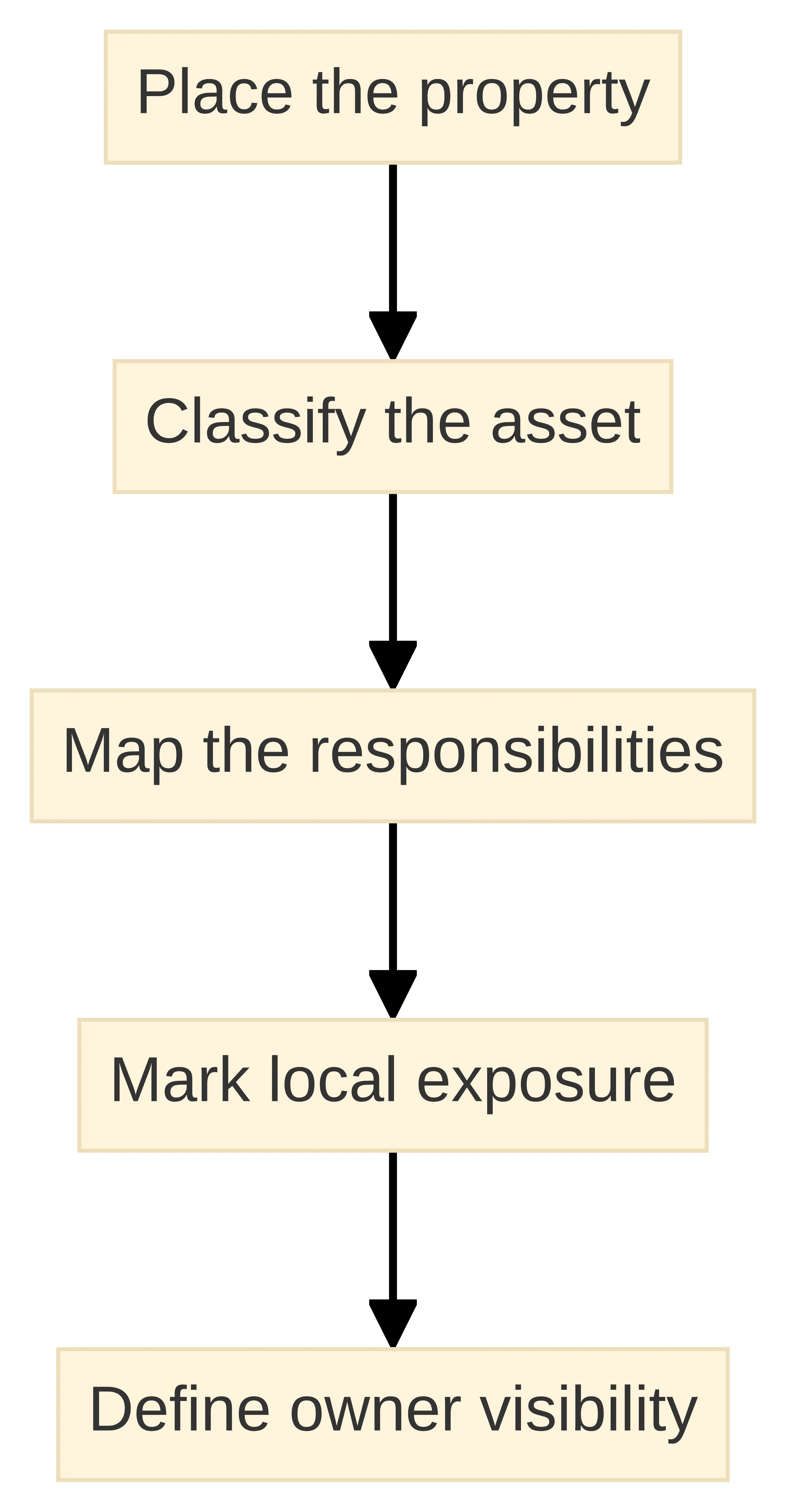
From documented scope to proposal terms
The Housing Guild’s documented profile covers Bay Area management since 1977, South San Francisco coverage for apartment buildings, commercial properties, condos, and homes, responsibilities spanning leasing, tenant placement, maintenance, compliance, and accounting, and owner-facing systems for statements, documents, payments, reporting, and draws. It also presents an owner’s mindset and property-owner perspective. Those descriptions explain the business, but they do not set the terms of a particular engagement.
For a property-specific proposal, the unresolved points are the services included, the owner access and reporting arrangements, the handling of local compliance responsibilities, and the itemized fees tied to property type and unit count. The Housing Guild offers a free, no-obligation management proposal for a property.
What should a prospective owner verify before requesting a proposal?
What services are included in The Housing Guild's property management offerings?
The Housing Guild provides a range of services including leasing and tenant placement, maintenance coordination, compliance handling, and accounting for property owners.
How can I request a management proposal from The Housing Guild?
You can request a free, no-obligation management proposal by providing details about your property through their contact options.
What is the history of The Housing Guild?
The Housing Guild has property-management roots that trace back to 1945 and was formally founded in 1977, managing Bay Area rental properties since then.
What kind of visibility does The Housing Guild provide to property owners?
The Housing Guild offers online owner portals, detailed reporting, and direct deposit for owner draws, allowing property owners to access financial statements and shared documents.
What is the approximate number of units managed by The Housing Guild?
The Housing Guild manages approximately 1,000 units in the San Francisco Bay Area.
Owner Resources
Want The Housing Guild to handle this for you?
We manage San Francisco Bay Area buildings for owners — leasing, compliance, maintenance, and accounting. Get a free proposal, or explore the service.