
General
Best Practices for a Sample Policy in Transition Planning Templates

Introduction
Effective transition planning is essential for successful property management, yet it often presents significant challenges. In this article, we explore best practices for developing a strong transition planning policy, providing essential components that enhance stakeholder engagement and align with organizational goals.
How can property managers ensure that their transition plans not only meet operational needs but also foster trust and satisfaction among residents? Navigating the complexities of transition planning can be challenging for property managers, but effective transition planning not only meets operational needs but also builds trust and satisfaction among residents.
Define Essential Components of Transition Planning Policies
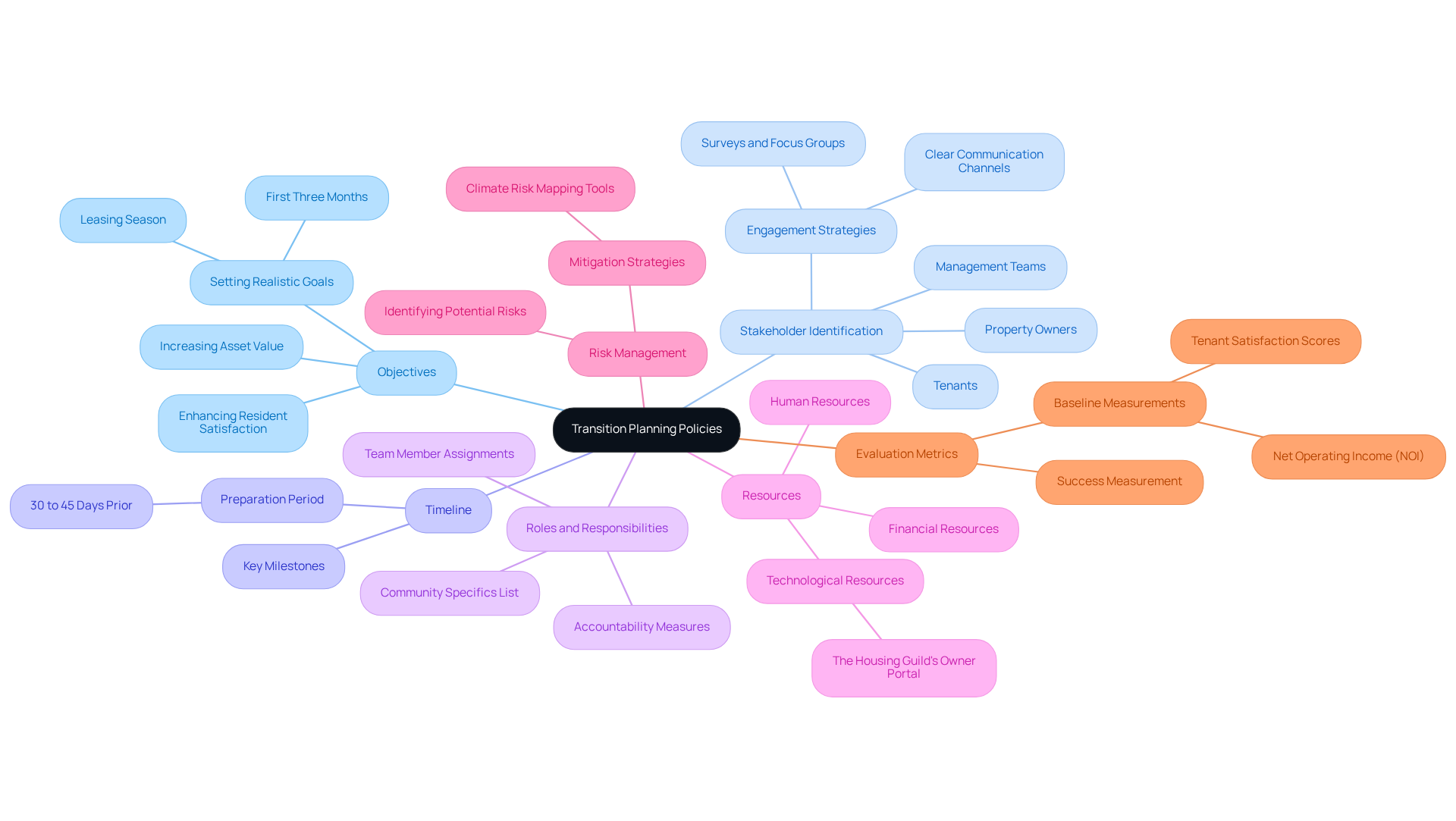
Effective transition planning is crucial for property managers aiming to navigate change successfully. To create effective transition planning policies, it is essential to include the following components:
- Objectives: Clearly define the aims of the change plan, such as enhancing resident satisfaction or increasing asset value. Setting realistic goals in the first three months and during the leasing season is crucial. It can greatly influence overall management outcomes.
- Stakeholder Identification: Identify all relevant stakeholders, including property owners, tenants, and management teams. Engaging these groups early fosters collaboration and ensures their needs and concerns are addressed, enhancing community trust and satisfaction.
- Timeline: Establish a realistic schedule for the change process, including key milestones and deadlines. New management should ideally start familiarization 30 to 45 days prior to the official change to prepare adequately and mitigate potential disruptions.
- Roles and Responsibilities: Assign specific roles and responsibilities to team members to ensure accountability and clarity in execution. A comprehensive item list outlining community specifics is crucial for seamless changes and effective stakeholder engagement.
- Resources: Outline the assets required for the change, including financial, human, and technological components. Identifying required resources is essential for a smooth change and can include leveraging technology like The Housing Guild’s Owner Portal, which provides 24/7 access to financial statements and documents, enhancing communication and engagement during this phase.
- Risk Management: Identify potential risks associated with the change and develop strategies to mitigate them. Change can introduce uncertainties that may disrupt operations. Conducting thorough risk assessments using climate risk mapping tools is vital, especially in the San Francisco Bay Area, where rising sea levels pose significant challenges. Utilizing The Housing Guild’s streamlined communication tools can help address concerns promptly.
- Evaluation Metrics: Define how success will be measured throughout the change process, ensuring that adjustments can be made as needed. Establishing baseline measurements for management metrics like tenant satisfaction scores provides a data-driven approach to change.
Ultimately, a well-structured transition plan, which follows the sample policy for transition planning in report templates, can transform challenges into opportunities for growth and improvement.
Align Transition Plans with Organizational Goals and Stakeholder Needs
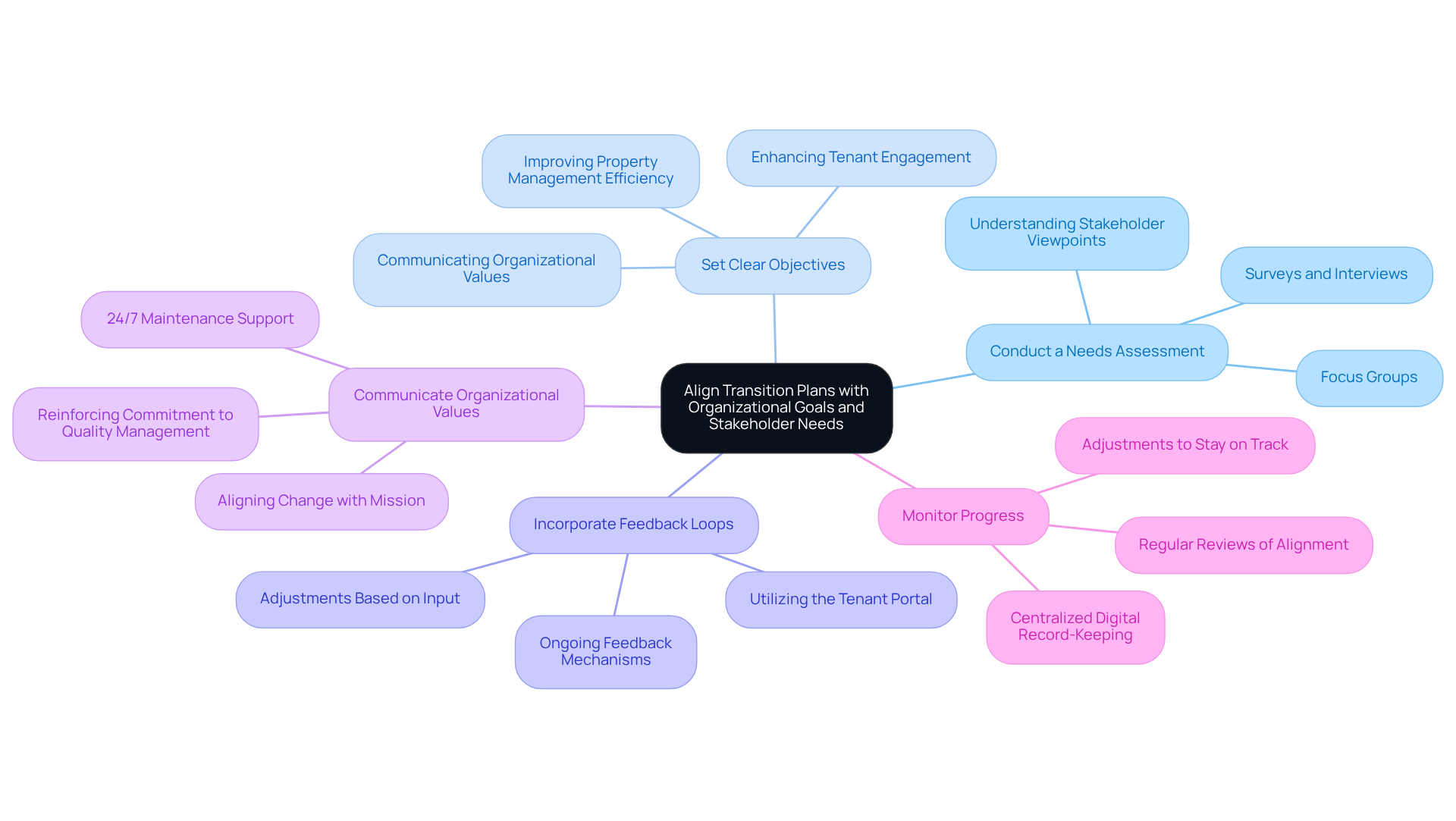
Effective planning for change hinges on aligning organizational objectives with the needs of all stakeholders. Here are key strategies to achieve this alignment:
- Conduct a Needs Assessment: Involve participants through surveys, interviews, or focus groups to collect insights on their expectations and concerns regarding the change. Understanding stakeholder viewpoints is crucial for a successful change.
- Set Clear Objectives: Define objectives that reflect The Housing Guild’s overarching goals, such as enhancing tenant engagement and improving property management efficiency. This highlights the need for clear communication about organizational values during changes.
- Incorporate Feedback Loops: Establish ongoing feedback mechanisms throughout the change process, allowing for adjustments based on stakeholder input. Effective communication fosters strong connections with residents and streamlines operations. The Housing Guild supports this through its Portal, where residents can easily submit maintenance requests, pay rent online, and communicate seamlessly with managers.
- Communicate Organizational Values: Clearly express how the change aligns with The Housing Guild’s mission, reinforcing the commitment to quality management of properties and satisfaction of residents. This is particularly important in the San Francisco Bay Area, where residents have high expectations for responsiveness. The Housing Guild’s 24/7 maintenance support, accessible via phone, text, or the Tenant Portal, exemplifies this commitment.
- Monitor Progress: Regularly review the alignment of the change plan with organizational objectives and participant needs, making necessary adjustments to stay on track. Centralized, digital record-keeping is a non-negotiable foundation for resilience, ensuring continuity even when management changes occur.
Tenant disruption during management changes often leads to increased turnover rates, creating challenges for property managers. By implementing these strategies, managers can develop transition plans that align with the sample policy for transition planning in report templates, meet operational needs, and build positive relationships with stakeholders, which enhances resident satisfaction and retention. Neglecting these strategies may result in diminished resident satisfaction and increased turnover, jeopardizing the stability of property management.
Incorporate Metrics and Evaluation Methods for Accountability
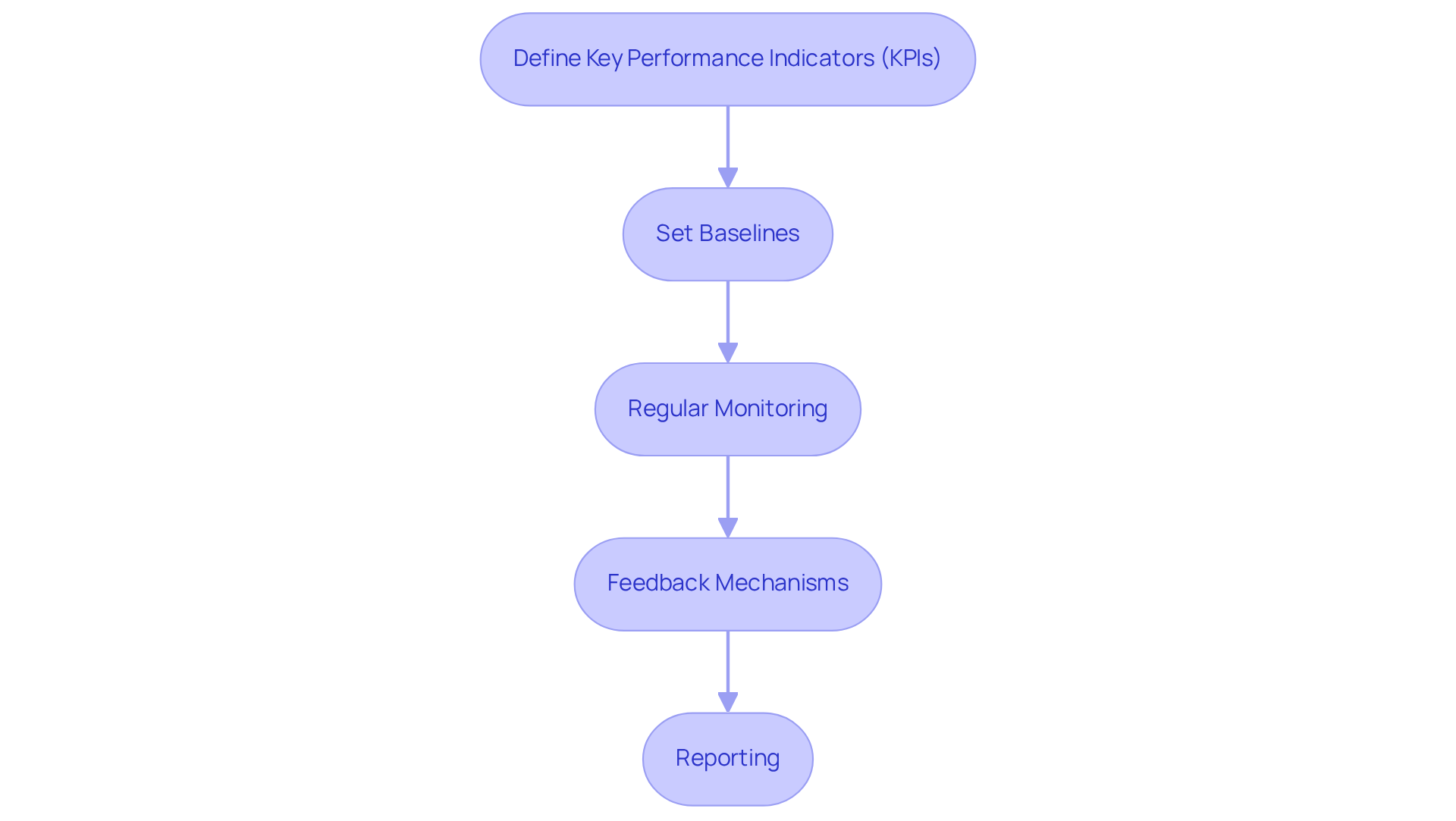
To ensure effective change management, establishing accountability through metrics is crucial. Here are steps to establish effective metrics:
- Define Key Performance Indicators (KPIs): Identify specific KPIs that align with the objectives of the transition plan, such as resident retention rates, occupancy levels, and maintenance response times. Monitoring these indicators is essential, as high tenant satisfaction can lead to increased lease renewals and reduced turnover costs.
- Set Baselines: Establish baseline measurements for each KPI to provide a reference point for evaluating progress. This enables managers to track performance effectively and make informed decisions based on historical data.
- Regular Monitoring: Implement a system for consistently tracking KPIs throughout the change process. Daily monitoring of leasing activity and maintenance response times allows for timely adjustments, ensuring that properties remain competitive and fulfill resident expectations.
- Feedback Mechanisms: Create channels for interested parties to provide feedback on the transition process. Regular tenant satisfaction surveys can offer qualitative insights that help refine metrics and improve outcomes, fostering a responsive management approach.
- Reporting: Develop a reporting framework to communicate progress on KPIs to stakeholders. Transparency in reporting not only fosters trust but also ensures that all parties are aligned with the goals of the change.
Without these metrics, the risk of misalignment with resident needs and expectations increases significantly.
Develop Communication Strategies for Effective Stakeholder Engagement
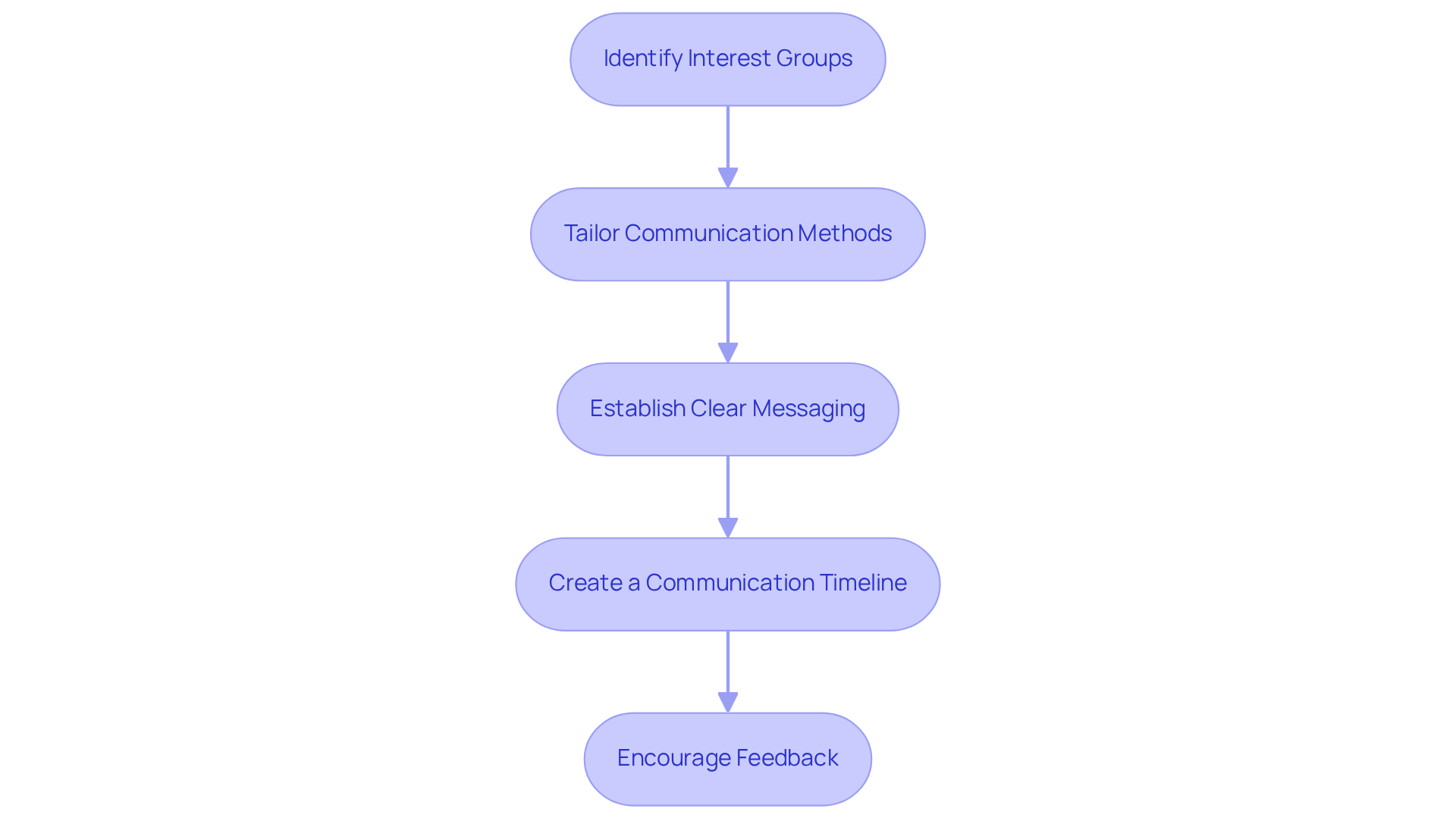
Effective communication methods are vital for engaging participants throughout the change process in real estate management. Here are essential steps to develop these strategies:
- Identify Interest Groups: Categorize participants based on their roles and interests in the transition, including property owners, renters, and management teams.
- Tailor Communication Methods: Choose suitable communication methods for each group of interested parties, such as newsletters, meetings, or digital platforms, to ensure information is accessible and engaging. The Housing Guild uses its Tenant Portal for effective communication. This platform allows tenants to pay rent online and submit maintenance requests with ease.
- Establish Clear Messaging: Create clear and concise communications that outline the change’s purpose, expected outcomes, and impact on involved parties. This clarity helps prevent misunderstandings and builds trust. Peter Koch, a property management expert, highlights that “Active listening is the most underutilized skill in property and association management.” This underscores the need for clear communication.
- Create a Communication Timeline: Develop a timeline for communication that aligns with key milestones in the change process, ensuring involved parties receive timely updates and feel informed throughout.
- Encourage Feedback: Foster an environment where stakeholders feel comfortable providing feedback and asking questions. This openness can address concerns and improve the process of change. Research has indicated that managers who establish clear communication frameworks experience enhanced resident satisfaction and retention rates, ultimately resulting in more successful changes. Testimonials from tenants of The Housing Guild emphasize the professionalism and responsiveness of manager Ryan Shane, reinforcing the value of effective communication.
Incorporating these strategies can significantly enhance stakeholder engagement, build trust, and facilitate a smoother transition process. As the property management market continues to expand, the importance of effective communication strategies cannot be overstated.
Conclusion
Navigating transitions in property management can be fraught with challenges that impact both operations and resident satisfaction. A structured approach with clear objectives and stakeholder engagement helps property managers meet operational needs while building positive relationships with residents.
Key components of successful transition planning include:
- Identifying stakeholders
- Establishing timelines
- Assigning roles
- Outlining necessary resources
Additionally, incorporating metrics for evaluation and accountability is crucial for measuring success and making informed adjustments throughout the process. The Housing Guild exemplifies these best practices through its comprehensive property management services, including the use of its Tenant Portal for seamless communication and maintenance requests, which ultimately enhances tenant satisfaction.
As property management changes, focusing on communication and engaging stakeholders is more important than ever. By aligning transition plans with organizational goals and actively involving residents in the process, property managers can mitigate risks and improve retention rates. Embracing these best practices not only leads to successful transitions but also reinforces a commitment to quality management and community trust, ensuring a brighter future for both property managers and residents alike.
Frequently Asked Questions
What are the essential components of transition planning policies for property managers?
The essential components include objectives, stakeholder identification, timeline, roles and responsibilities, resources, risk management, and evaluation metrics.
Why is it important to define objectives in a transition plan?
Clearly defining objectives helps set realistic goals, such as enhancing resident satisfaction or increasing asset value, which can significantly influence overall management outcomes.
Who should be identified as stakeholders in the transition planning process?
Relevant stakeholders include property owners, tenants, and management teams. Engaging these groups early fosters collaboration and addresses their needs and concerns.
What is the significance of establishing a timeline in transition planning?
A realistic timeline with key milestones and deadlines helps ensure that the change process is organized and that new management can prepare adequately, ideally starting 30 to 45 days prior to the official change.
How should roles and responsibilities be assigned in a transition plan?
Specific roles and responsibilities should be assigned to team members to ensure accountability and clarity in execution, supported by a comprehensive item list outlining community specifics.
What resources are necessary for effective transition planning?
Necessary resources include financial, human, and technological components. Utilizing tools like The Housing Guild’s Owner Portal can enhance communication and provide 24/7 access to financial statements and documents.
How can risk management be incorporated into transition planning?
Identifying potential risks and developing strategies to mitigate them is crucial. Conducting thorough risk assessments, especially in areas like the San Francisco Bay Area, helps address uncertainties that may disrupt operations.
What are evaluation metrics, and why are they important in transition planning?
Evaluation metrics define how success will be measured throughout the change process, allowing for adjustments as needed. Establishing baseline measurements, such as tenant satisfaction scores, provides a data-driven approach to change.
How can a well-structured transition plan benefit property managers?
A well-structured transition plan can transform challenges into opportunities for growth and improvement, ensuring a smoother change process and better outcomes for all stakeholders involved.
List of Sources
- Define Essential Components of Transition Planning Policies
- Master Risk Management for Transition Planning in Property Management (https://www.housingguild.com/master-risk-management-for-transition-planning-in-property-management)
- Transition to Housing: A Framework for Planning (https://autismspectrumnews.org/transition-to-housing-a-framework-for-planning)
- Tips for a Successful Property Management Transition (https://linkedin.com/pulse/tips-successful-property-management-transition-madison-meier)
- Smooth Operators: 6 Tips for Handling Property Management Transitions (https://multifamilyexecutive.com/property-management/smooth-operators-6-tips-for-handling-property-management-transitions_o)
- Align Transition Plans with Organizational Goals and Stakeholder Needs
- Protecting your building through property manager transitions (https://fsresidential.com/new-york/news-events/articles-and-news/protect-your-building-property-manager-transitions)
- Master Risk Management for Hand Off in Property Transitions (https://www.housingguild.com/master-risk-management-for-hand-off-in-property-transitions)
- Navigating transitions: Addressing challenges in property management post-construction (https://blog.irem.org/learning/publications-news/blog/irem-blogs/2024/07/navigating-transitions-addressing-challenges-in-property-management-post-construction)
- Getting Strategic with Transition Plans: 6 Steps to Drive Growth, Resilience – WSJ (https://deloitte.wsj.com/sustainable-business/getting-strategic-with-transition-plans-6-steps-to-drive-growth-resilience-d9c5ee90)
- Investors’ Take on Transition Planning – Natixis CIB (https://home.cib.natixis.com/articles/investors-take-on-transition-planning)
- Incorporate Metrics and Evaluation Methods for Accountability
- Key Metrics Every Property Manager Should Track (https://stowersrealestate.com/blog/10-essential-property-management-metrics-every-manager-should-track)
- KPI Checks Help Property Managers Stay on Track (https://multihousingnews.com/kpi-checks-help-property-managers-stay-on-track)
- Property management KPIs you should track (https://mrisoftware.com/nz/blog/property-management-kpis-you-should-track)
- Property Management Metrics: How to Measure What Matters (https://roostrealestateco.com/how-roost-measures-performance-accountability-and-landlord-profitability)
- What are the KPIs in Property Management? The Metrics You Should Track (https://cove.is/blog-press/what-are-the-kpis-in-property-management-key-metrics-you-should-track)
- Develop Communication Strategies for Effective Stakeholder Engagement
- The communication strategy that can make or break your property management business (https://blog.irem.org/learning/publications-news/blog/irem-blogs/2025/08/the-communication-strategy-that-can-make-or-break-your-property-management-business)
- Effective Communication for Property Managers | ManageCasa (https://managecasa.com/articles/becoming-a-master-communicator)
- Stakeholder Engagement – the Why, Who, What, & How? (https://gresb.com/nl-en/stakeholder-engagement-–-the-why-who-what-how)
- The Role of Communication in Successful Property Management – Beach Front Property Management Inc. (https://bfpminc.com/the-role-of-communication-in-successful-property-management)
Owner Resources
Want The Housing Guild to handle this for you?
We manage San Francisco Bay Area buildings for owners — leasing, compliance, maintenance, and accounting. Get a free proposal, or explore the service.