
General
Master the Standard Operating Procedure for Transition Planning

Introduction
In property management, effective transition planning is essential for maintaining operational efficiency and tenant satisfaction. As the competitive landscape in the San Francisco Bay Area intensifies, The Housing Guild emphasizes the importance of a well-structured standard operating procedure to navigate these transitions smoothly.
What are the key components for a successful transition? How can property managers communicate and train their teams effectively? Exploring these questions reveals best practices that not only mitigate disruption but also enhance the overall resident experience. Without a strategic approach to transition planning, property managers risk operational inefficiencies and tenant dissatisfaction. By prioritizing these best practices, property managers can transform transitions into opportunities for improved resident engagement.
Define Transition Planning in Property Management
Transitioning oversight responsibilities in property management is a complex endeavor that requires meticulous planning and execution. This process encompasses all operational, financial, and tenant-related aspects to ensure a seamless shift. For The Housing Guild, the standard operating procedure for transition planning is crucial in the competitive San Francisco Bay Area market, where service continuity and resident satisfaction are paramount.
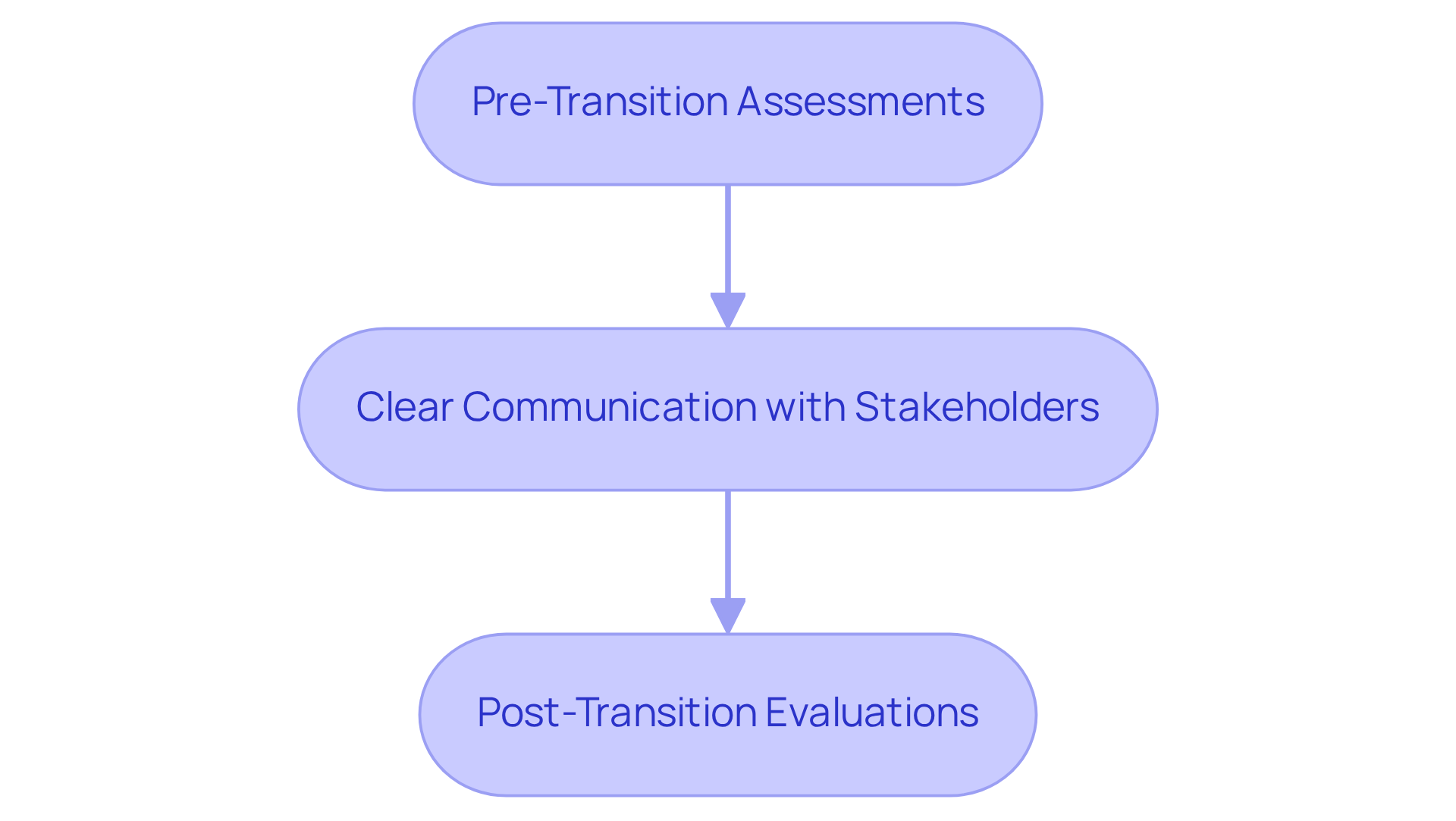
Essential Stages of Transition Planning:
- Pre-Transition Assessments: Evaluate current operations to identify areas for improvement.
- Clear Communication with Stakeholders: Manage expectations through transparent dialogue.
- Post-Transition Evaluations: Ensure all aspects of oversight are functioning smoothly after the transition.
By focusing on these essential stages, The Housing Guild not only reduces disruption but also enhances operational efficiency, ultimately improving the overall resident experience. A well-executed transition not only minimizes disruption but also enhances resident satisfaction.
Identify Key Components of a Transition Plan
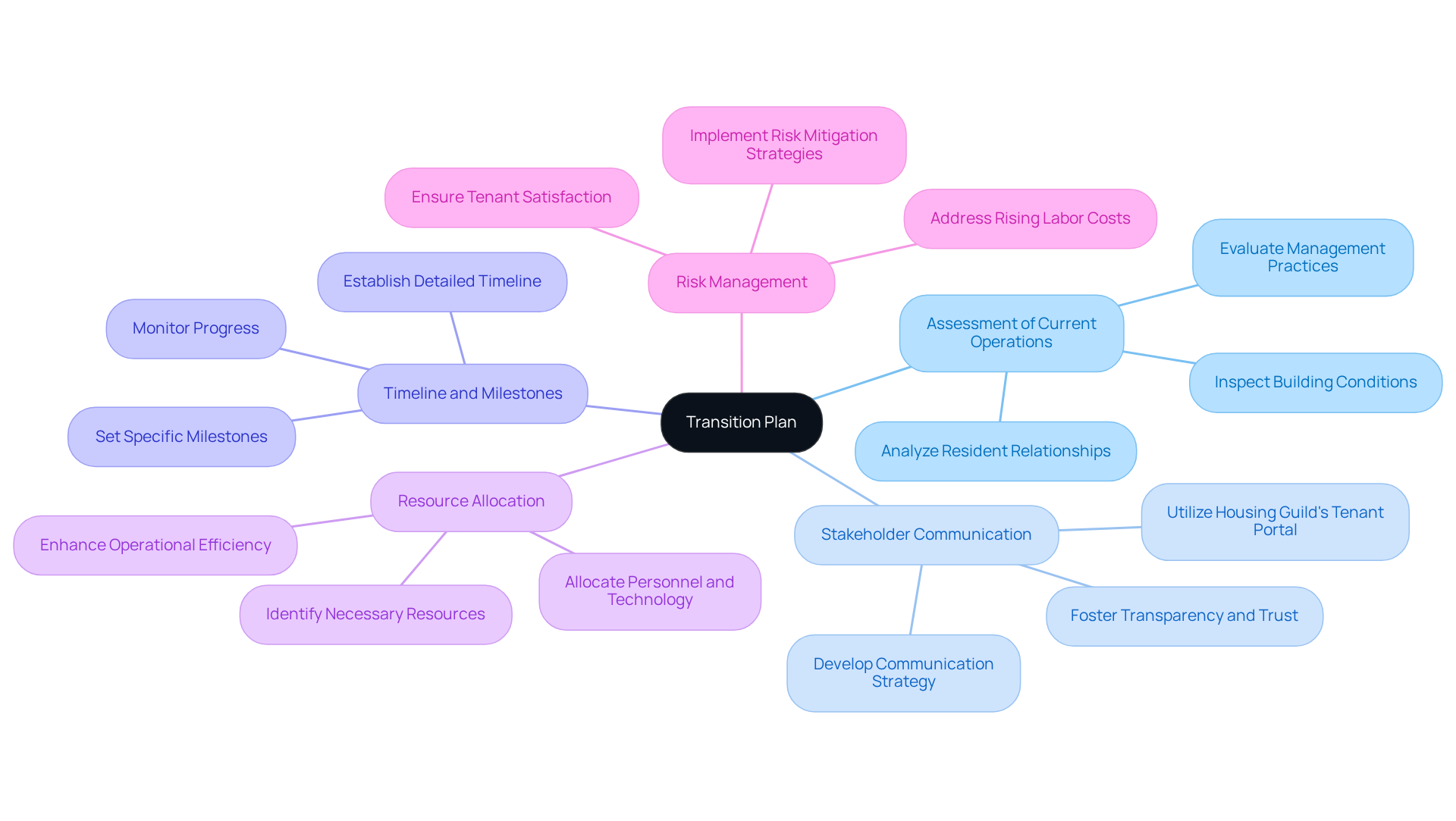
A successful change plan in real estate hinges on several critical components that ensure a smooth transition:
- Assessment of Current Operations
Conduct a thorough evaluation of existing management practices, resident relationships, and building conditions to pinpoint areas requiring improvement. This step lays the groundwork for a transition based on a solid grasp of existing strengths and weaknesses. - Stakeholder Communication
Develop a comprehensive communication strategy that keeps all stakeholders informed, including residents, property owners, and service providers. The Housing Guild’s Tenant Portal facilitates seamless communication, allowing tenants to pay rent online, submit maintenance requests, and upload proof of insurance coverage at any time, all backed by innovative technology. When communication is effective, it fosters transparency and trust-both vital during times of change. - Timeline and Milestones
Establish a detailed timeline with specific milestones to monitor progress and ensure accountability. Without a structured timeline, property managers may struggle to track progress and ensure accountability. - Resource Allocation
Identify and allocate necessary resources, including personnel and technology, to support the change process. The Housing Guild’s Owner Portal provides 24/7 access to financial statements and secure payment options, enhancing operational efficiency. - Risk Management
Implement robust strategies to mitigate potential risks associated with the change, such as service disruptions or resident dissatisfaction. Given that rising labor costs and regulatory compliance are pressing concerns, proactive risk management is essential for maintaining tenant satisfaction and operational efficiency. Failure to address potential risks can lead to tenant dissatisfaction and operational inefficiencies.
By meticulously addressing these elements, property managers can not only enhance operational efficiency but also foster a culture of trust and transparency among stakeholders.
Implement Effective Communication and Training Strategies
To facilitate a successful transition, The Housing Guild must adopt effective communication and training strategies:
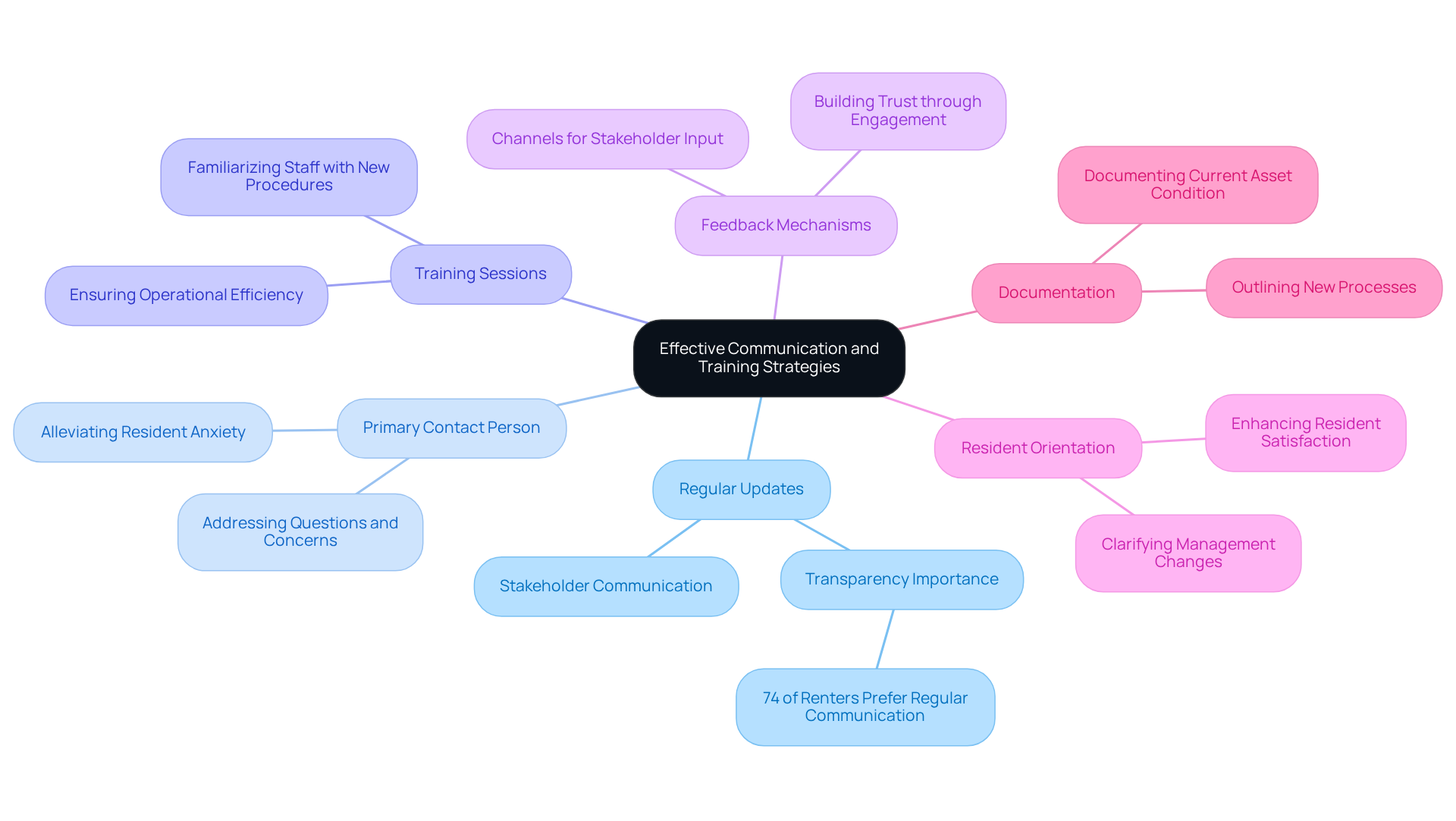
- Regular Updates: Consistent updates to all stakeholders about the change process, including timelines and expectations, are crucial. A survey indicates that 74% of renters prefer firms that communicate regularly and effectively, underscoring the importance of transparency.
- Primary Contact Person: A primary contact within the new management team is crucial for addressing questions and concerns during the transition. This dedicated contact can help alleviate resident anxiety and ensure they have someone to rely on.
- Training Sessions: Conducting training sessions for staff to familiarize them with new procedures and technologies will facilitate a seamless transition. Proper training on new policies is essential for adhering to the standard operating procedure for transition planning to maintain operational efficiency.
- Feedback Mechanisms: Establishing channels for stakeholders to provide feedback and ask questions fosters an environment of collaboration. Engaging with residents through surveys or individual meetings can build trust and provide valuable insights into potential issues.
- Resident Orientation: Orientation sessions for residents will clarify changes in management and their potential impact on living experiences. This can alleviate concerns and enhance satisfaction. Effective communication during real estate changes is essential for preserving renter trust. The Housing Guild’s Tenant Portal allows tenants to pay rent online, submit maintenance requests, upload proof of insurance coverage, and communicate seamlessly, significantly enhancing their experience during transitions.
- Documentation: Creating comprehensive documentation outlining new processes and responsibilities ensures that all team members have access to the information they need. Furthermore, documenting the current condition of the asset aids in planning necessary repairs and acts as a baseline for future assessments.
By prioritizing these communication and training strategies in accordance with the standard operating procedure for transition planning, The Housing Guild can enhance stakeholder confidence and reduce resistance to change, setting the stage for long-term success in management. By implementing these strategies, The Housing Guild not only addresses immediate concerns but also lays the groundwork for a more resilient management approach.
Evaluate and Improve Transition Outcomes
To enhance service quality and stakeholder satisfaction, property managers must adopt a systematic approach to assessment and improvement. Here are some best practices to consider:
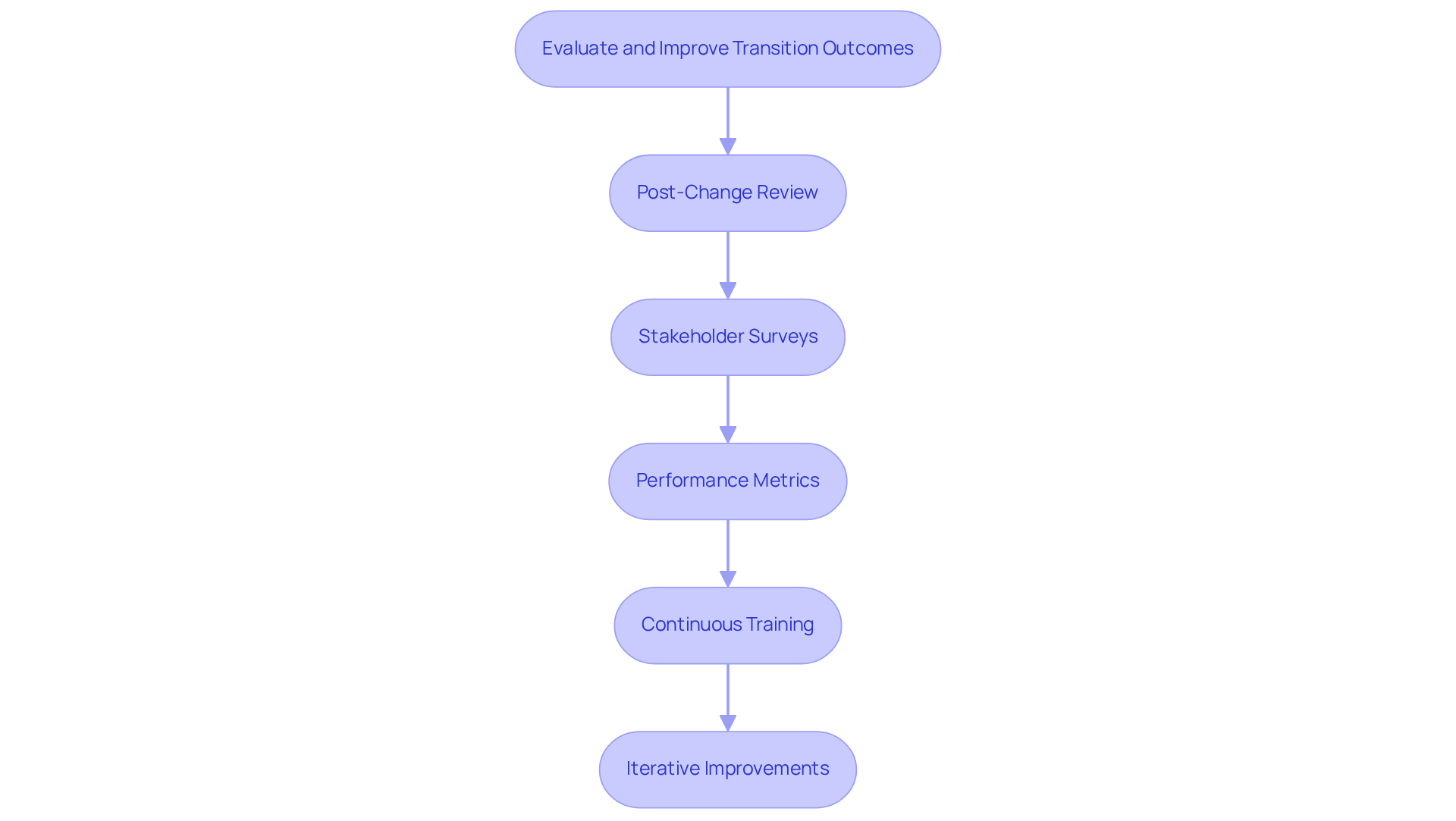
- Post-Change Review: Conduct a comprehensive assessment of the change process, identifying successes and areas needing improvement.
- Stakeholder Surveys: Gather feedback from residents and staff through targeted surveys to assess satisfaction levels and identify opportunities for improvement.
- Performance Metrics: Define key performance indicators (KPIs) to assess the success of the change, focusing on metrics such as resident retention rates and service response times.
- Continuous Training: Establish ongoing training initiatives to address any identified gaps and ensure staff are well-versed in best practices, including retaining and training existing personnel to maintain stability during changes.
- Iterative Improvements: Leverage insights from evaluations to refine future plans, ensuring that The Housing Guild remains agile and responsive to the evolving needs of clients and tenants.
When managers focus on assessment and continuous improvement, they can really enhance their processes and provide better service. Furthermore, employing effective real estate oversight technology can enhance operational efficiency by 15%, as noted by AppFolio, and implementing centralized digital record-keeping is crucial for maintaining continuity during transitions, as emphasized by FirstService Residential. By embracing these strategies, property managers can not only improve their operations but also foster a culture of continuous improvement that benefits all stakeholders.
Conclusion
Effective transition planning in property management is crucial for maintaining oversight and ensuring service continuity. The Housing Guild highlights the need for careful planning and execution. This approach is vital for maintaining service continuity and improving resident satisfaction in the competitive San Francisco Bay Area market.
Key components of an effective transition plan include:
- Thorough assessments of current operations
- Clear communication with stakeholders
- Establishment of a structured timeline
By utilizing tools such as The Housing Guild’s Tenant Portal for effective communication and the Owner Portal for financial transparency, property managers can build trust and efficiency throughout the transition process. Additionally, implementing effective training strategies and continuous improvement practices ensures that all team members are well-prepared to adapt to changes, ultimately benefiting both residents and property owners.
In summary, a thorough approach to transition planning reduces disruptions and improves the experience for everyone involved. By adopting best practices and utilizing innovative technology, property managers can navigate transitions with confidence, ensuring that they meet the evolving needs of their clients and tenants. By embracing these strategies, property managers can not only enhance operational efficiency but also solidify their reputation for service excellence.
Frequently Asked Questions
What is transition planning in property management?
Transition planning in property management refers to the meticulous process of shifting oversight responsibilities, encompassing operational, financial, and tenant-related aspects to ensure a seamless transition.
Why is transition planning important for The Housing Guild?
Transition planning is crucial for The Housing Guild to maintain service continuity and resident satisfaction in the competitive San Francisco Bay Area market.
What are the essential stages of transition planning?
The essential stages of transition planning include: 1. Pre-Transition Assessments: Evaluating current operations to identify areas for improvement. 2. Clear Communication with Stakeholders: Managing expectations through transparent dialogue. 3. Post-Transition Evaluations: Ensuring all aspects of oversight are functioning smoothly after the transition.
How does The Housing Guild ensure a smooth transition?
The Housing Guild focuses on the essential stages of transition planning to reduce disruption and enhance operational efficiency, ultimately improving the overall resident experience.
What is the outcome of a well-executed transition?
A well-executed transition minimizes disruption and enhances resident satisfaction, contributing to a better living experience for tenants.
List of Sources
- Define Transition Planning in Property Management
- Property Management Statistics 2026: Growth, Revenue, & Market Trends (https://tenantcloud.com/property-management/7-statistics-for-landlords-and-tenants-about-property-management)
- SF leaders working on multiple fronts to create housing residents can afford (https://nbcbayarea.com/news/local/san-francisco-affordable-housing-strategy/4118174)
- A Look at What’s Happening in 2026 – The State of Property Management (https://cooperatornews.com/article/the-state-of-property-management)
- Why San Francisco office-to-housing projects are gaining traction (https://abc7news.com/post/san-francisco-office-housing-projects-are-gaining-traction/19668865)
- Identify Key Components of a Transition Plan
- Property Management Statistics 2026: Growth, Revenue, & Market Trends (https://tenantcloud.com/property-management/7-statistics-for-landlords-and-tenants-about-property-management)
- 25+ Real Estate Quotes on Property Management & Investment (https://2bigha.ai/blogs/famous-property-management-investment-quotes)
- 20 Famous Real Estate Investing Quotes (https://realtymogul.com/knowledge-center/article/20-famous-real-estate-investing-quotes)
- San Francisco mayor launches new transitional housing fund with $37.5M in donations – Local News Matters (https://localnewsmatters.org/2025/05/10/san-francisco-mayor-launches-new-transitional-housing-fund-with-37-5m-in-donations)
- San Francisco Implements SPUR’s Recommendations to Accelerate Office-to-Residential Conversions (https://spur.org/news/2025-07-17/san-francisco-implements-spurs-recommendations-accelerate-office-residential)
- Implement Effective Communication and Training Strategies
- Smooth Operators: 6 Tips for Handling Property Management Transitions (https://multifamilyexecutive.com/property-management/smooth-operators-6-tips-for-handling-property-management-transitions_o)
- Mastering the Transition: Key Insights for Taking Over an Apartment Complex (https://illumepm.com/blog/mastering-the-transition-key-insights-for-taking-over-an-apartment-complex)
- 5 Tips for a Smoother Transition to New Management (https://fsresidential.com/texas/news-events/articles/5-new-management-transition-tips)
- 9 Stats that Show the Property Management Customer Experience Gap Is Real (https://appfolio.com/blog/customer-experience-gap)
- Property Management Transitions: Smooth Staff Changes (https://fsresidential.com/missouri/news-events/articles/property-management-transitions-smooth-staff-chang)
- Evaluate and Improve Transition Outcomes
- Protecting your building through property manager transitions (https://fsresidential.com/new-york/news-events/articles-and-news/protect-your-building-property-manager-transitions)
- Mastering the Transition: Key Insights for Taking Over an Apartment Complex (https://illumepm.com/blog/mastering-the-transition-key-insights-for-taking-over-an-apartment-complex)
- What Happens When Property Management Changes – HomeRiver Group (https://homeriver.com/blog/what-happens-when-property-management-changes)
- Key Metrics Every Property Manager Should Track (https://stowersrealestate.com/blog/10-essential-property-management-metrics-every-manager-should-track)
- In HelloNation, Property Management Expert Jennifer Oliver Covers How to Switch Property Management Companies (https://finance.yahoo.com/real-estate/articles/hellonation-property-management-expert-jennifer-133100113.html)
Owner Resources
Want The Housing Guild to handle this for you?
We manage San Francisco Bay Area buildings for owners — leasing, compliance, maintenance, and accounting. Get a free proposal, or explore the service.