
Owner-Centric Property Management
Create a Step-by-Step Plan to Fix Your Scope of Work

Introduction
In the competitive landscape of the San Francisco Bay Area, defining a clear scope of work is crucial for effective property management. This guide provides a structured approach for developing a step-by-step plan. It clarifies project goals and deliverables while enhancing communication and accountability among stakeholders. Unclear scope can lead to misunderstandings and project delays, impacting overall success.
Focusing on best practices for refining the scope of work is essential. It can lead to improved project outcomes and increased tenant satisfaction, making it a priority for property managers.
Define the Scope of Work
To effectively define the scope of work in property management, particularly in the dynamic San Francisco Bay Area, follow these structured steps:
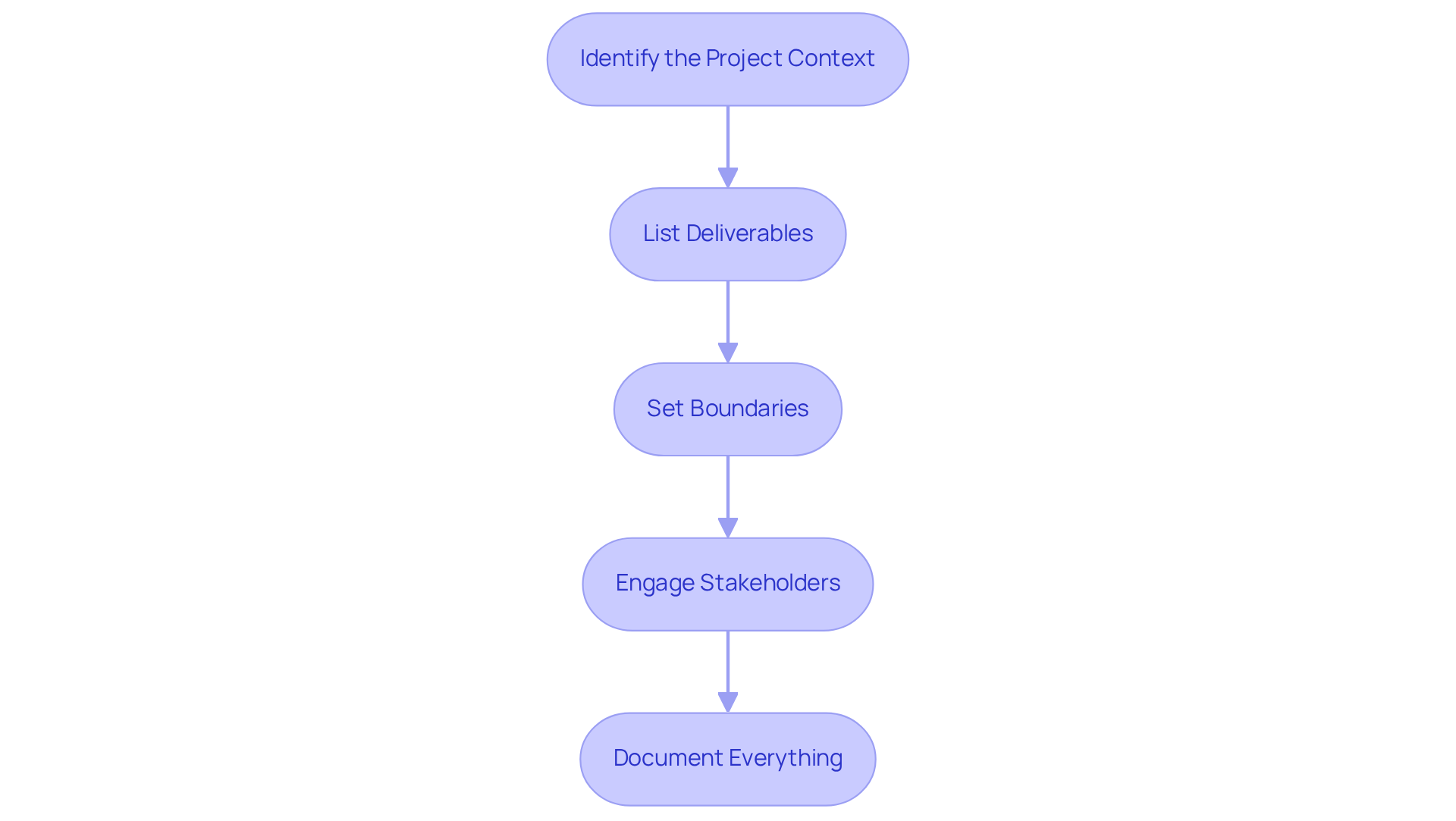
- Identify the Project Context: Begin by outlining the project’s background, emphasizing its purpose and significance within the local real estate market. Grasping the distinct features of the Bay Area, including its vintage buildings and varied tenant demographics, is essential. The Housing Guild, with its expertise in managing vintage real estate, exemplifies the importance of this step.
- List Deliverables: Clearly articulate the expected outcomes of the project. This may include renovations, maintenance schedules, or resident engagement strategies tailored to the specific needs of the community. For instance, the average cost of tenant turnover is approximately $1,750 per unit, highlighting the need for effective tenant retention strategies. To ensure units are leased quickly and efficiently, The Housing Guild employs innovative leasing strategies. These include 3D mapping, video tours, and listings on over 50 websites.
- Set Boundaries: Establish what is included and excluded from the undertaking to prevent misunderstandings. For example, if the project concentrates on upgrading vintage buildings, specify which elements will be preserved to maintain their character and which will be modernized. Compliance with local regulations, such as Alameda’s Ordinance 3407, is also essential to consider.
- Engage Stakeholders: Actively involve key stakeholders, including property owners and residents, in discussions to ensure their needs and expectations are integrated into the scope. By collaborating, we build transparency and trust-essential elements in the competitive San Francisco market. The Housing Guild’s Tenant Portal facilitates seamless communication, allowing tenants to pay rent online, submit maintenance requests, communicate effortlessly, upload renters insurance, and access their accounts anytime, including via a mobile app, enhancing overall satisfaction.
- Document Everything: Create a comprehensive written document that encapsulates all the aforementioned elements. This document should be easily accessible to all team members involved in the project, ensuring clarity and alignment throughout the process. The Housing Guild’s Owner Portal offers 24/7 access to financial statements, shared documents, messaging, notifications, and secure payment options, enhancing communication and safeguarding investments.
Current trends in the San Francisco Bay Area highlight the importance of adaptability in defining the scope of work. As the market evolves, management firms like The Housing Guild are increasingly leveraging technology to enhance communication and operational efficiency. For instance, firms that adopt cloud-based solutions can streamline workflows and enhance resident satisfaction, which is essential in a competitive landscape.
Case studies show that successful management in the Bay Area often depends on effective resident retention strategies and operational efficiency. By clearly defining the scope of work, owners can create a step-by-step plan to fix the scope of work, which will help them better navigate the complexities of the market and ensure that their assets are well-managed and profitable. Ultimately, a well-defined scope of work not only enhances operational efficiency but also positions property owners for long-term success in a competitive market.
Identify Project Goals and Deliverables
Identifying project goals and deliverables in property management is crucial for ensuring successful outcomes. Follow these steps to achieve clarity and effectiveness:
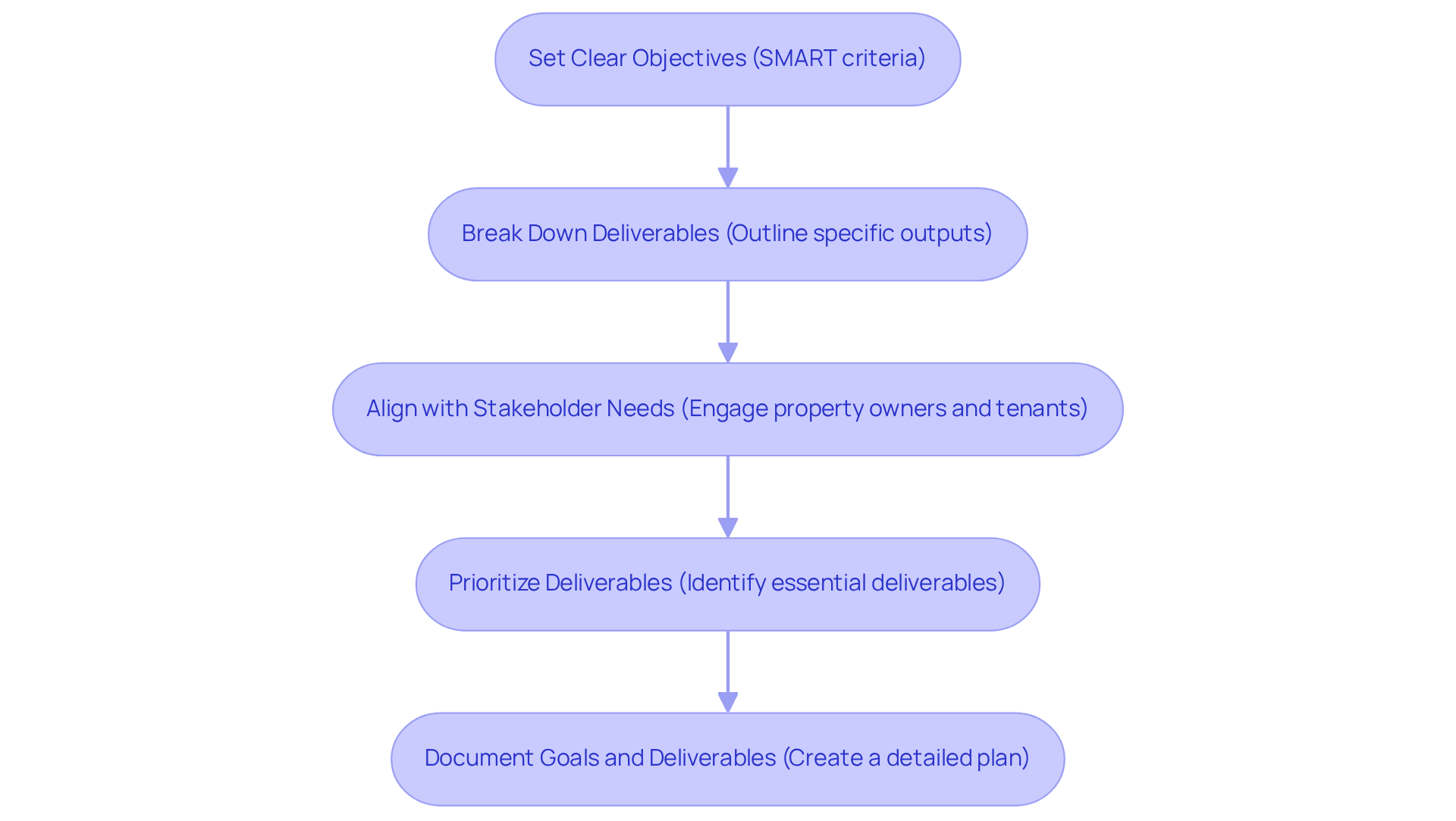
- Set Clear Objectives: Use the SMART criteria – Specific, Measurable, Achievable, Relevant, and Time-bound – to define your targets. For example, aim to boost resident satisfaction ratings from 3 to 4 within the next year. This reflects a commitment to enhancing resident experiences.
- Break Down Deliverables: Clearly outline the specific outputs expected from the initiative. These may include completed renovations, updated maintenance protocols, and improved communication channels. Each deliverable should contribute to the overall success of the initiative.
- Align with Stakeholder Needs: Engage with property owners and tenants to ensure that your goals resonate with their expectations. Conduct surveys or interviews to gather insights on their priorities, guiding the direction of your initiative.
- Prioritize Deliverables: Identify which deliverables are most essential to achieving success and prioritize them. This strategic focus allows for concentrated efforts on areas that will yield the greatest impact on tenant satisfaction and operational efficiency.
We need to create a step by step plan to fix the scope of work. Document Goals and Deliverables: Draft a detailed document that serves as a step by step plan to fix the scope of work, clearly outlining the defined goals and deliverables. Ensure this document is accessible to all team members, promoting transparency and accountability throughout the initiative.
Without a clear framework for goals and deliverables, initiatives may falter, leaving stakeholders dissatisfied.
Establish Timeline and Budget
Establishing a clear timeline and budget is crucial for the success of property management projects, particularly in complex markets like San Francisco. Follow these essential steps:
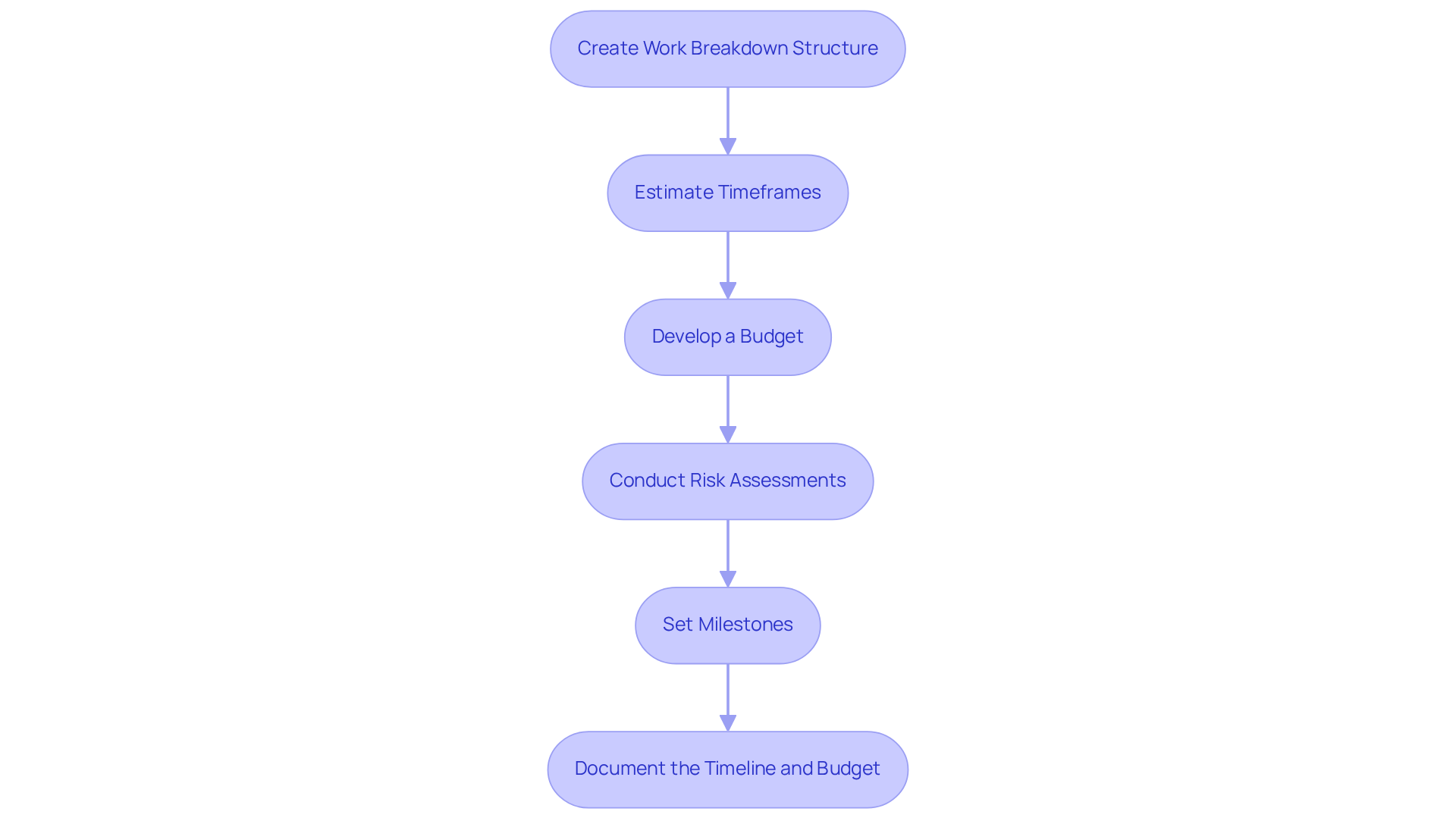
- Create a Work Breakdown Structure (WBS): Decompose the project into smaller, manageable tasks. This approach aids in accurately estimating the time and resources required for each component.
- Estimate Timeframes: Assess the duration needed for each task, factoring in realistic expectations and potential delays. Delays in obtaining permits can significantly impact project timelines, especially in the Bay Area. A large home remodel in San Francisco typically takes between 18 and 36 months from initial planning through completion.
- Develop a Budget: Calculate the costs associated with each task, including labor, materials, and potential unforeseen expenses. Ensure that the budget aligns with the financial objectives of property owners, considering the unique market conditions in San Francisco.
- Conduct Risk Assessments: When starting each initiative, it’s essential to conduct thorough risk evaluations to pinpoint potential challenges like approvals, labor shortages, and supply chain issues. This proactive approach helps in developing contingency plans and minimizing unexpected costs.
- Set Milestones: Identify key milestones throughout the timeline of the initiative. These checkpoints are crucial for assessing progress and making necessary adjustments to stay on track.
- Document the Timeline and Budget: Documenting the timeline and budget is vital. Create a comprehensive document that outlines both aspects clearly. This document should be distributed to all stakeholders to ensure transparency and enhance communication throughout the initiative. Additionally, maintain clear communication with tenants throughout the renovation process to enhance satisfaction and manage expectations.
Effective communication and documentation can prevent misunderstandings and ensure that all parties are aligned throughout the project lifecycle.
Define Roles and Responsibilities
Defining roles and responsibilities is crucial for the success of any initiative. Follow these steps to ensure clarity and accountability among team members:
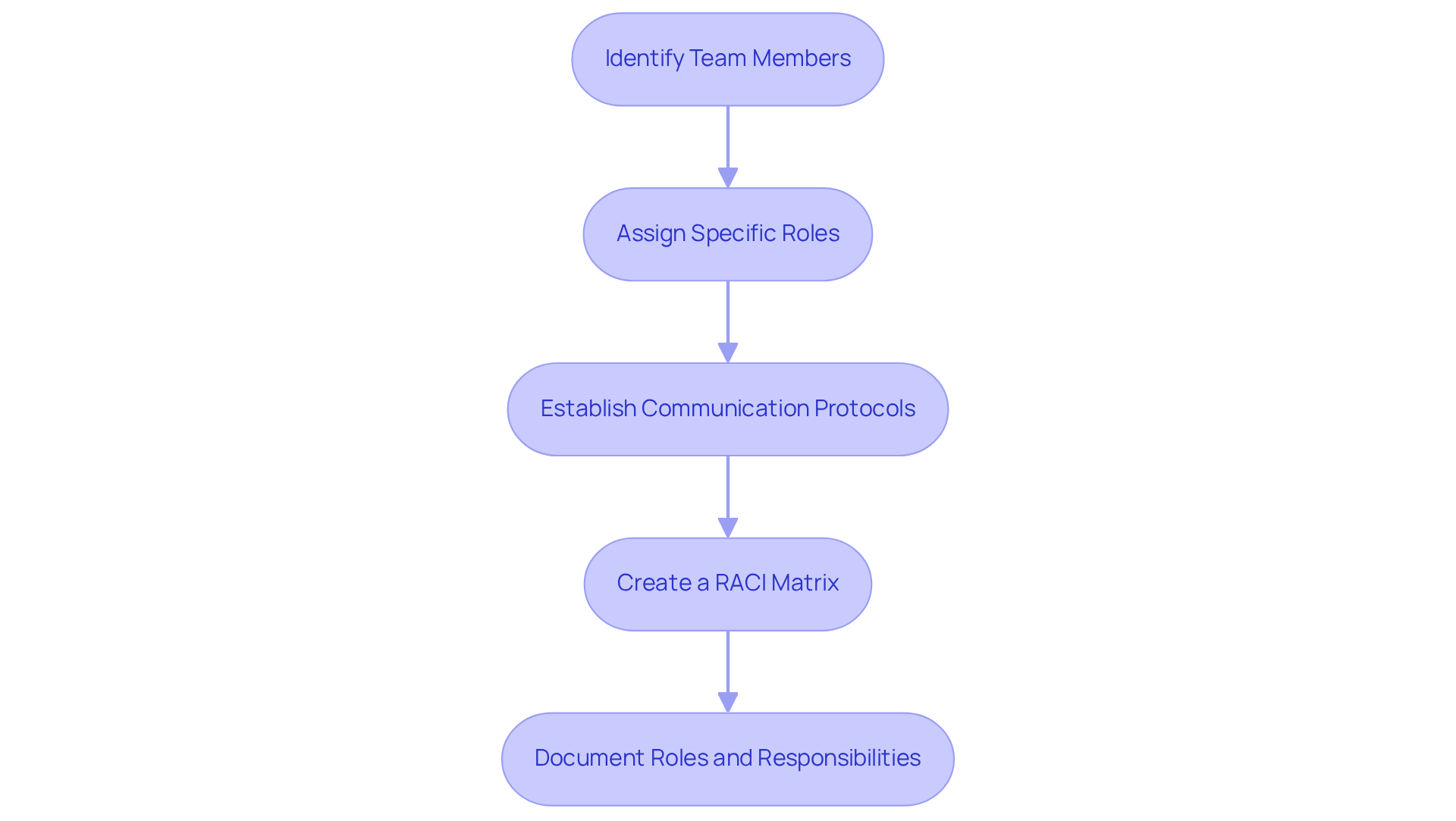
- Identify Team Members
List all individuals involved in the initiative, including managers of facilities, contractors, and maintenance personnel. - Assign Specific Roles
Clearly define the role of each team member, outlining their responsibilities and expectations. For example, the property manager may be responsible for overseeing renovations, while the maintenance staff handles ongoing repairs. - Establish Communication Protocols
Determine how team members will communicate and share updates. Consider incorporating regular meetings, progress reports, or a shared management tool. - Create a RACI Matrix
Use a RACI (Responsible, Accountable, Consulted, Informed) matrix to clarify who is responsible for each task, who is accountable for decisions, who needs to be consulted, and who should be kept informed. - Document Roles and Responsibilities
Create a document that outlines each team member’s role and responsibilities, ensuring it is accessible to all participants involved in the endeavor. Thorough documentation ensures clarity and accountability among all team members.
Incorporate Feedback and Revisions
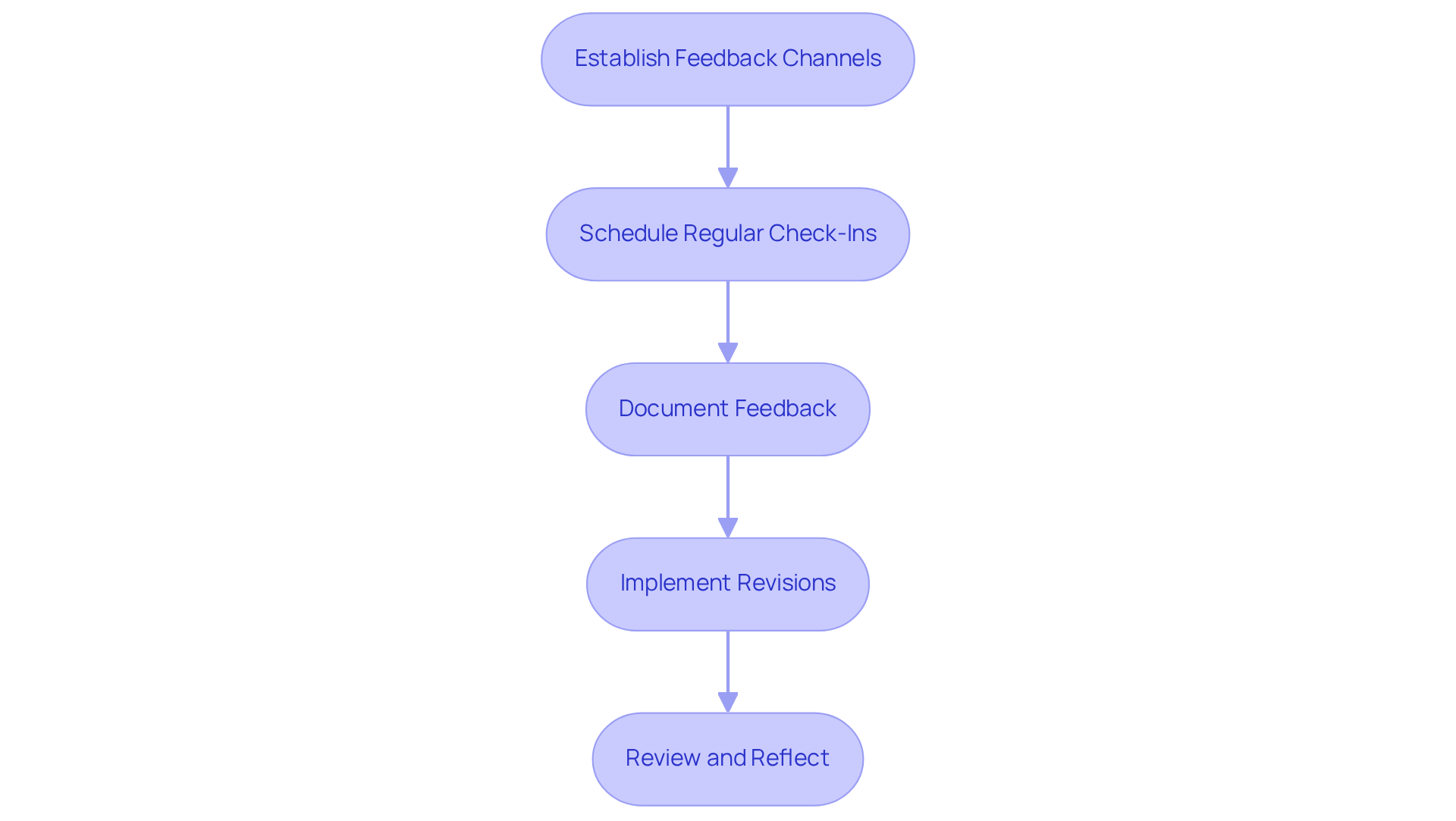
In property management, effectively incorporating feedback is crucial for project success and tenant satisfaction. To achieve this, follow these structured steps:
- Establish Feedback Channels: Create clear avenues for contributors to share their insights, such as surveys, direct communication with managers, or community forums. This encourages open dialogue and ensures that all voices are heard. Conducting tenant surveys and monitoring online reviews are recommended practices for gauging tenant satisfaction and detecting trends.
- Schedule Regular Check-Ins: Organize consistent meetings to discuss progress and gather feedback from team members and stakeholders. This practice fosters collaboration and keeps everyone aligned with project goals. Engaging with industry professionals and participating in forums can also help property managers stay updated on the latest trends and best practices.
- Document Feedback: Maintain a comprehensive record of all feedback received, categorizing it by relevance and urgency. This systematic approach aids in prioritizing revisions and addressing concerns effectively. Utilizing data analysis to track metrics such as occupancy rates and tenant turnover can enhance decision-making in this process.
- Implement Revisions: Make necessary adjustments to the project plan based on the feedback collected. Ensure that all changes are communicated clearly to the team and stakeholders to maintain transparency and trust. Ongoing education through workshops and webinars is essential for managers to stay competitive and effectively implement these revisions.
- Review and Reflect: After implementing revisions, assess the outcomes to evaluate their effectiveness. Reflecting on the outcomes is vital for improving future feedback mechanisms and ensuring ongoing progress. Incorporating case studies or examples of successful feedback integration can provide practical insights and enhance the credibility of the recommendations.
Without effective feedback mechanisms, property management projects risk misalignment with tenant expectations. Ultimately, neglecting feedback can hinder the potential for improved tenant relationships and operational efficiency.
Finalize the Scope of Work Document
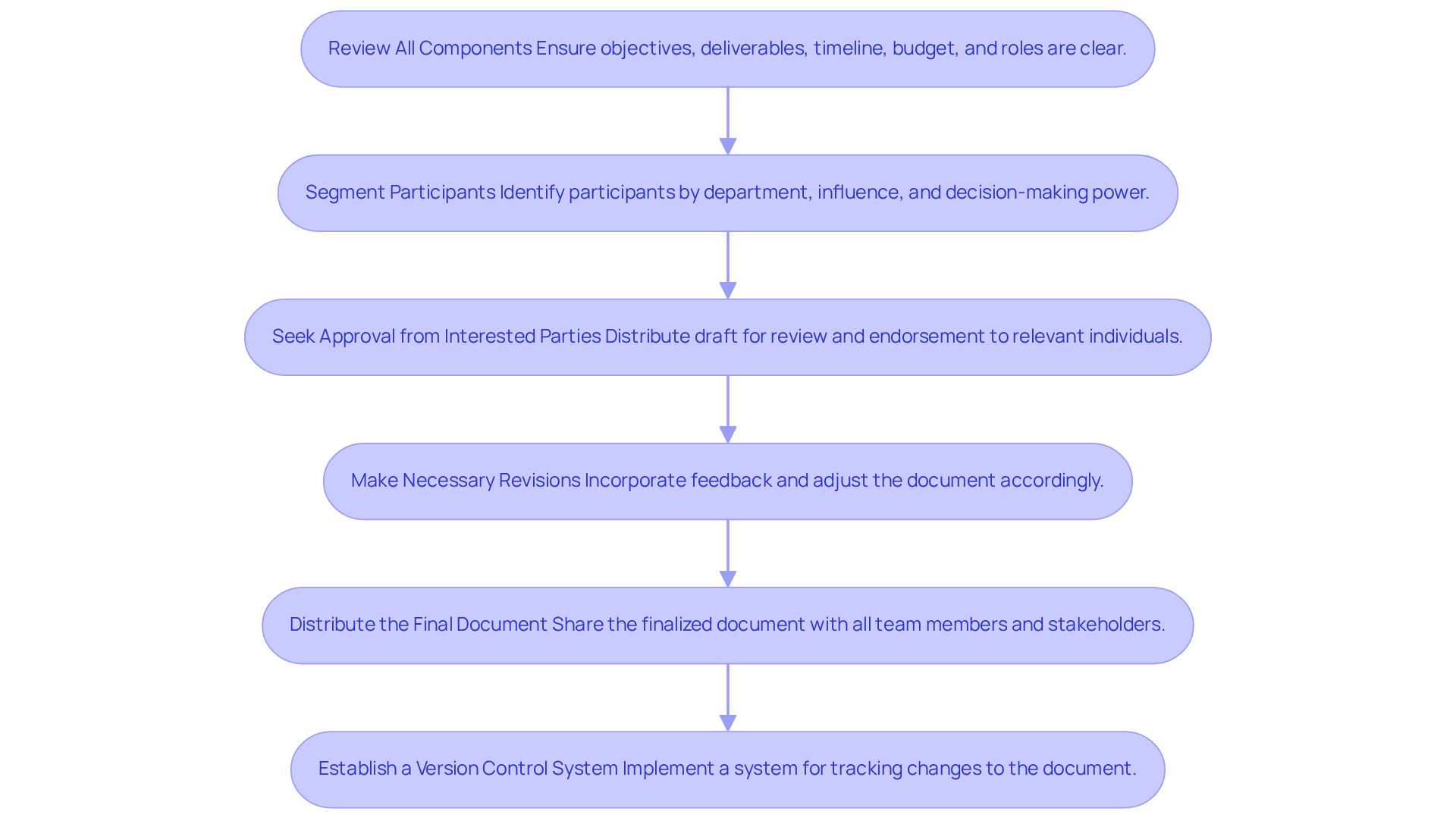
To finalize the scope of work document effectively in property management, adhere to the following steps:
- Review All Components: Ensure that every element of the scope of work – objectives, deliverables, timeline, budget, and roles – is clearly articulated and aligned with the expectations of those involved. This comprehensive review helps prevent misunderstandings later in the project.
- Segment Participants: Identify and categorize participants by department, influence, and decision-making power. This approach enables customized engagement strategies, ensuring that the appropriate parties are involved in the approval process.
- Seek Approval from Interested Parties: Distribute the draft document to all relevant individuals for their review and endorsement. Involving interested parties at this stage enables the resolution of any concerns or suggestions they may have, promoting a collaborative atmosphere. Proactive communication frameworks are essential to maintain alignment and prevent disruptions in the initiative.
- Make Necessary Revisions: Incorporate feedback from involved parties to make final adjustments to the document. This step is essential for ensuring that the intentions and needs of those involved are accurately reflected in the step-by-step plan to fix the scope of work. Creating a register for interested parties can assist in tracking their details and preferences throughout the lifecycle of the initiative.
- Distribute the Final Document: Once approved, share the finalized scope of work document with all team members and stakeholders. Ensuring everyone has access to the same information fosters transparency and alignment throughout the initiative.
- Establish a Version Control System: Implement a system for tracking changes to the scope of work document. This ensures that any future revisions are documented and communicated effectively, maintaining clarity and consistency.
A well-defined scope of work is essential for effective property management, as it lays the groundwork for project success. A well-defined scope minimizes the risk of scope creep and misalignment, ultimately leading to smoother project execution and enhanced stakeholder satisfaction. We at The Housing Guild focus on innovative leasing strategies, including 3D mapping, video tours, and listings on over 50 websites, to ensure units are leased quickly and efficiently. Our 24/7 maintenance support, accessible via phone, text, or our Tenant Portal, allows tenants to submit maintenance requests, pay rent online, communicate seamlessly, and access their accounts anytime, including via a mobile app. Furthermore, our Owner Portal provides property owners with 24/7 access to financial statements, documents, messaging, notifications, and secure payment options, ensuring comprehensive communication and support. As highlighted in case studies, organizations that prioritize engagement with interested parties and clear communication during this process report significantly better project outcomes. Additionally, organizations that embed both stakeholder engagement and management report a 40% reduction in stakeholder resistance, underscoring the importance of these practices.
Conclusion
In the competitive San Francisco Bay Area, a well-defined scope of work is crucial for effective property management. Property owners can achieve well-organized and transparent projects by clearly defining their goals and processes. The Housing Guild exemplifies this commitment to clarity and efficiency, leveraging its deep local expertise to navigate the complexities of property management.
Key steps in creating an effective scope of work include:
- Identifying project goals
- Establishing timelines and budgets
- Defining roles and responsibilities
- Incorporating feedback throughout the process
These elements foster collaboration and keep all parties informed and engaged. The Housing Guild’s innovative tools, such as the Tenant and Owner Portals, enhance communication and streamline operations, ultimately leading to improved tenant satisfaction and operational efficiency.
Ultimately, the commitment to clarity and stakeholder engagement can transform property management into a strategic advantage. By prioritizing stakeholder engagement and maintaining open lines of communication, property managers can enhance project outcomes and build lasting relationships with tenants. Embracing these best practices is vital for navigating the ever-evolving real estate market, ensuring that properties are managed effectively and profitably.
Frequently Asked Questions
What is the importance of defining the scope of work in property management?
Defining the scope of work is crucial for ensuring clarity and alignment among all stakeholders, preventing misunderstandings, and enhancing operational efficiency, particularly in the dynamic San Francisco Bay Area real estate market.
What steps should be taken to define the scope of work effectively?
The steps include identifying the project context, listing deliverables, setting boundaries, engaging stakeholders, and documenting everything comprehensively.
How does The Housing Guild exemplify expertise in managing vintage real estate?
The Housing Guild specializes in managing vintage properties in the Bay Area, understanding the unique features of these buildings and the diverse tenant demographics, which is essential for effective property management.
What are some examples of deliverables in property management projects?
Deliverables may include renovations, maintenance schedules, and resident engagement strategies tailored to community needs, such as effective tenant retention strategies.
Why is it important to set boundaries in a property management project?
Setting boundaries helps clarify what is included and excluded from the project, preventing misunderstandings and ensuring compliance with local regulations.
How can stakeholders be engaged in the property management process?
Stakeholders, including property owners and residents, should be actively involved in discussions to integrate their needs and expectations, fostering transparency and trust.
What features does The Housing Guild’s Tenant Portal offer to enhance tenant satisfaction?
The Tenant Portal allows tenants to pay rent online, submit maintenance requests, communicate seamlessly, upload renters insurance, and access their accounts anytime, including via a mobile app.
What is the significance of documenting the scope of work?
Documenting the scope of work creates a comprehensive written record that ensures clarity and alignment among team members, promoting transparency and accountability.
How can property management firms leverage technology in defining the scope of work?
Firms can adopt cloud-based solutions to streamline workflows, enhance communication, and improve resident satisfaction, which is essential in a competitive market.
What criteria should be used to set clear project goals in property management?
The SMART criteria-Specific, Measurable, Achievable, Relevant, and Time-bound-should be used to define clear and effective project goals.
How can property managers prioritize deliverables?
By identifying which deliverables are most essential to achieving success and focusing efforts on those areas, property managers can maximize tenant satisfaction and operational efficiency.
What should be included in the documentation of goals and deliverables?
The documentation should outline defined goals and deliverables in a detailed manner, ensuring accessibility for all team members to promote transparency and accountability.
List of Sources
- Define the Scope of Work
- SF East Bay Property Management News | SLPM Property Management Inc (https://slpm.com/oakland-sf-eastbay-property-management-news)
- 16+ Best Property Managers to Handle Your Rentals in 2024 (https://sfist.com/best-property-managers-san-francisco)
- What’s Happening in San Francisco Commercial Real Estate? (https://bpm.com/insights/san-francisco-commercial-real-estate)
- Property Management Statistics 2026: Growth, Revenue, & Market Trends (https://tenantcloud.com/property-management/7-statistics-for-landlords-and-tenants-about-property-management)
- San Francisco Office Market Report | Q2 2026 | Kidder Mathews (https://kidder.com/market-reports/san-francisco-office-market-report)
- Identify Project Goals and Deliverables
- Setting the Right Goals for Property Managers in 2026 (https://visitt.io/blog/goals-for-property-managers)
- 5 Steps to Setting SMART Property Management Profit Goals – Property Vista (https://propertyvista.com/blog/5-steps-setting-smart-property-management-profit-goals)
- How to Set Smart Goals for Property Managers (https://osapropertymanagement.com/how-to-set-smart-goals-for-property-managers)
- Setting Your Property Management Goals for 2025: Key Areas to Focus On – ResidentIQ (https://residentiq.com/blog/setting-your-property-management-goals-for-2025-key-areas-to-focus-on)
- Five SMART Goals for Your Multifamily Property in 2024: Navigating Market Trends and the Potential Recession (https://us.allegion.com/en/resources/education/leading-the-industry/multifamily/five-smart-goals-for-your-multifamily-property-in-2024-navigating-market-trends-and-the-potential-recession.html)
- Establish Timeline and Budget
- 9 Budgeting Reminders for Property Management (https://claconnect.com/en/resources/blogs/real-estate/9-budgeting-reminders-for-property-management)
- 5 Tips to Streamline your Real Estate Project Management (https://kahua.com/articles/5-tips-to-streamline-your-real-estate-project-management)
- Budget Season Tips for Property Managers – Vena (https://venasolutions.com/blog/property-management-budgeting)
- How Long Does a Large Home Remodel Take in San Francisco? | S.A. Baxter (https://sabaxterinc.com/updates/how-long-large-home-remodel-take-san-francisco)
- A Property Manager’s Guide to Planning Large-Scale Renovations (https://rpmpocatello.com/managing-large-scale-property-renovations-661)
- Define Roles and Responsibilities
- Mastering Role Clarity: The Key To Accountability And Team Performance In Property Management – Property Management Coaching (https://pmsuccess.com/mastering-role-clarity-the-key-to-accountability-and-team-performance-in-property-management)
- Property Management Industry Statistics (https://rubyhome.com/blog/property-management-stats)
- Strategies for Property Managers to Improve Tenant Communications – CRE Insight Journal (https://creinsightjournal.com/strategies-for-property-managers-to-improve-tenant-communications)
- Top 10 Motivational Quotes To Get You Through A Work Day In Property Management (https://thelibertygroup.com/top-10-motivational-quotes-get-work-day-property-management)
- What Are the Responsibilities of a Property Manager? (https://360training.com/blog/responsibilities-of-a-property-manager)
- Incorporate Feedback and Revisions
- More Multifamily Firms Taking Steps to Combat Growing Stress Among Property Managers (https://mrisoftware.com/news/multifamily-firms-taking-steps-combat-stress-property-managers)
- How Can Landlords Use Community Feedback to Inform Improvement Projects? – Iconic Property Management (https://iconicpm.com/glossary/how-can-landlords-use-community-feedback-to-inform-improvement-projects)
- Employee feedback statistics: What your employees want from you (2026 edition) (https://oak.com/blog/employee-feedback-statistics)
- Here’s how you can stay updated on industry trends and best practices using feedback as a property manager. (https://linkedin.com/advice/0/heres-how-you-can-stay-updated-industry-trends-yvnuc)
- Tenant Feedback Helps Vendor Evaluation (https://hiffman.com/tenant-feedback-helps-vendor-evaluation)
- Finalize the Scope of Work Document
- City of San Francisco – Planning Department Project Application Review metrics (https://catalog.data.gov/dataset/planning-department-project-application-review-metrics)
- Colliers | Navigating Complexities for Success: The Critical Role of Stakeholder Management (https://colliers.com/en-ae/news/navigating-complexities-for-success-the-critical-role-of-stakeholder-management)
- Project Stakeholder Management and Collaboration Best Practices 2026 (https://planisware.com/resources/project-management-office-pmo/stakeholder-management-collaboration-best-practices)
- Stakeholder management in project management: processes and best practices (https://triskellsoftware.com/blog/stakeholder-management)
- Effective Stakeholder Management for Project Success (https://jll.com/en-ae/insights/why-effective-stakeholder-management-is-key-to-project-success)
Owner Resources
Want The Housing Guild to handle this for you?
We manage San Francisco Bay Area buildings for owners — leasing, compliance, maintenance, and accounting. Get a free proposal, or explore the service.