
Property Maintenance Best Practices
Become a Trusted Manager: Enforce Policies in Your First 90 Days

Introduction
Transitioning into a property management role presents unique challenges, particularly in the competitive San Francisco Bay Area. New managers face the critical task of establishing trust and credibility while enforcing policies effectively within their first 90 days. This guide offers essential strategies for:
- Cultivating a leadership mindset
- Building strong team dynamics
- Implementing a structured plan that not only enhances management effectiveness but also fosters positive tenant relationships
Navigating these challenges is essential for establishing a foundation for long-term success in property management.
Shift Your Mindset to Leadership
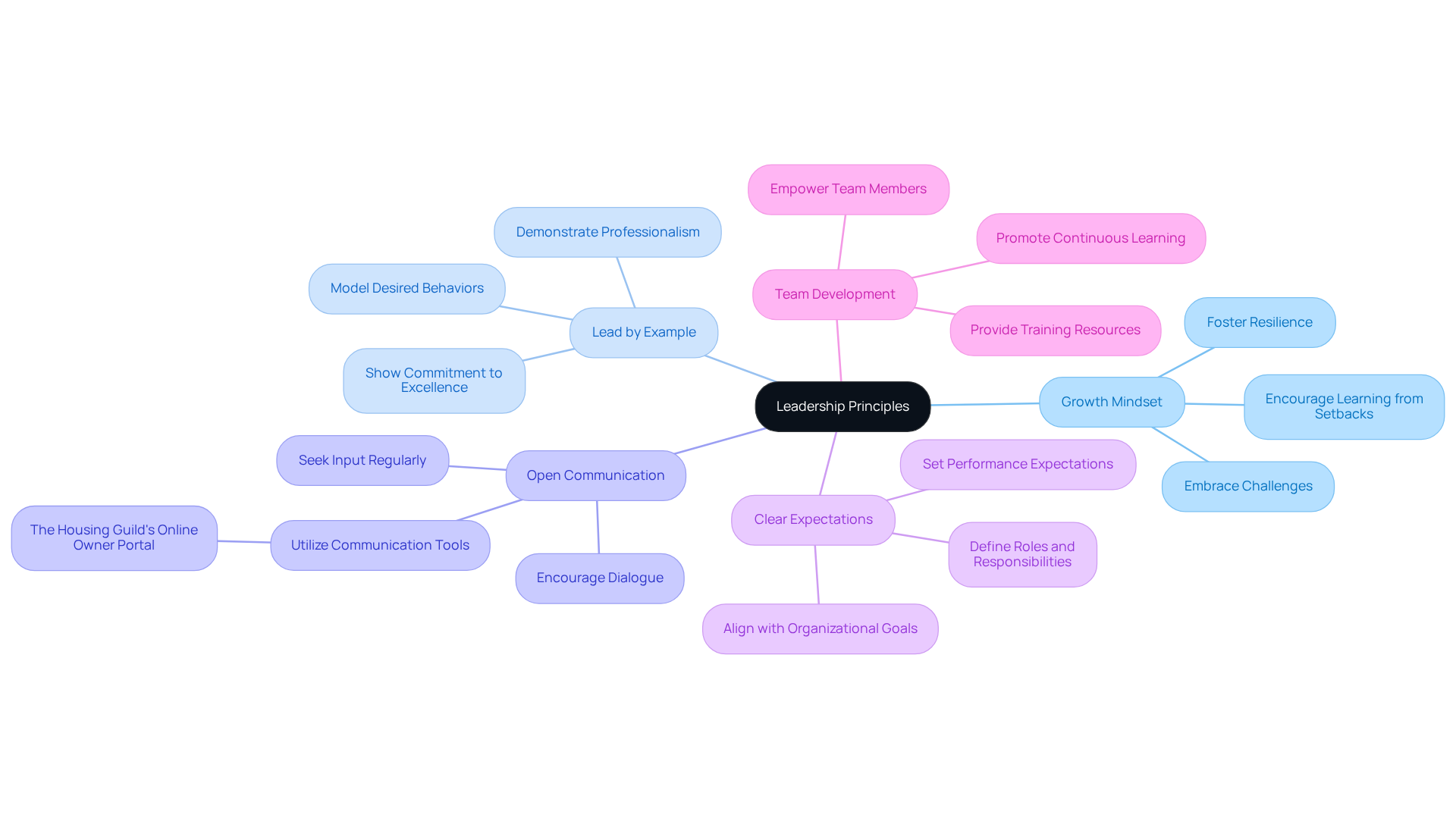
To become a trusted manager, transition from a traditional managerial role to a leadership role by implementing the following principles:
- Embrace a Growth Mindset: Acknowledge that challenges serve as opportunities for growth. Inspire your group to perceive setbacks as valuable learning opportunities, fostering resilience and adaptability.
- Lead by Example: Model the behaviors and attitudes you wish to instill in your group. This includes demonstrating punctuality, professionalism, and a steadfast commitment to excellence, which are crucial in the competitive property management landscape.
- Foster Open Communication: Establish a culture that encourages open dialogue and the sharing of ideas and concerns. Consistently seek input and remain receptive to recommendations, which can improve group cohesion and innovation. Utilize The Housing Guild’s Online Owner Portal to enhance communication, allowing for built-in messaging and notifications that keep everyone informed and engaged.
- Set Clear Expectations: Clearly define roles, responsibilities, and performance expectations. This clarity aids members in comprehending their contributions to the overall objectives of real estate oversight, ensuring alignment with organizational aims.
- Invest in Team Development: Promote continuous learning and professional growth. Provide resources for training and skill enhancement, empowering your group to excel in their roles and adapt to evolving industry demands.
A trusted manager to enforce policies and first 90 days is essential for implementing these leadership principles to cultivate a motivated and engaged team, which is crucial for effective property management in the San Francisco Bay Area.
Build Credibility and Trust from Day One
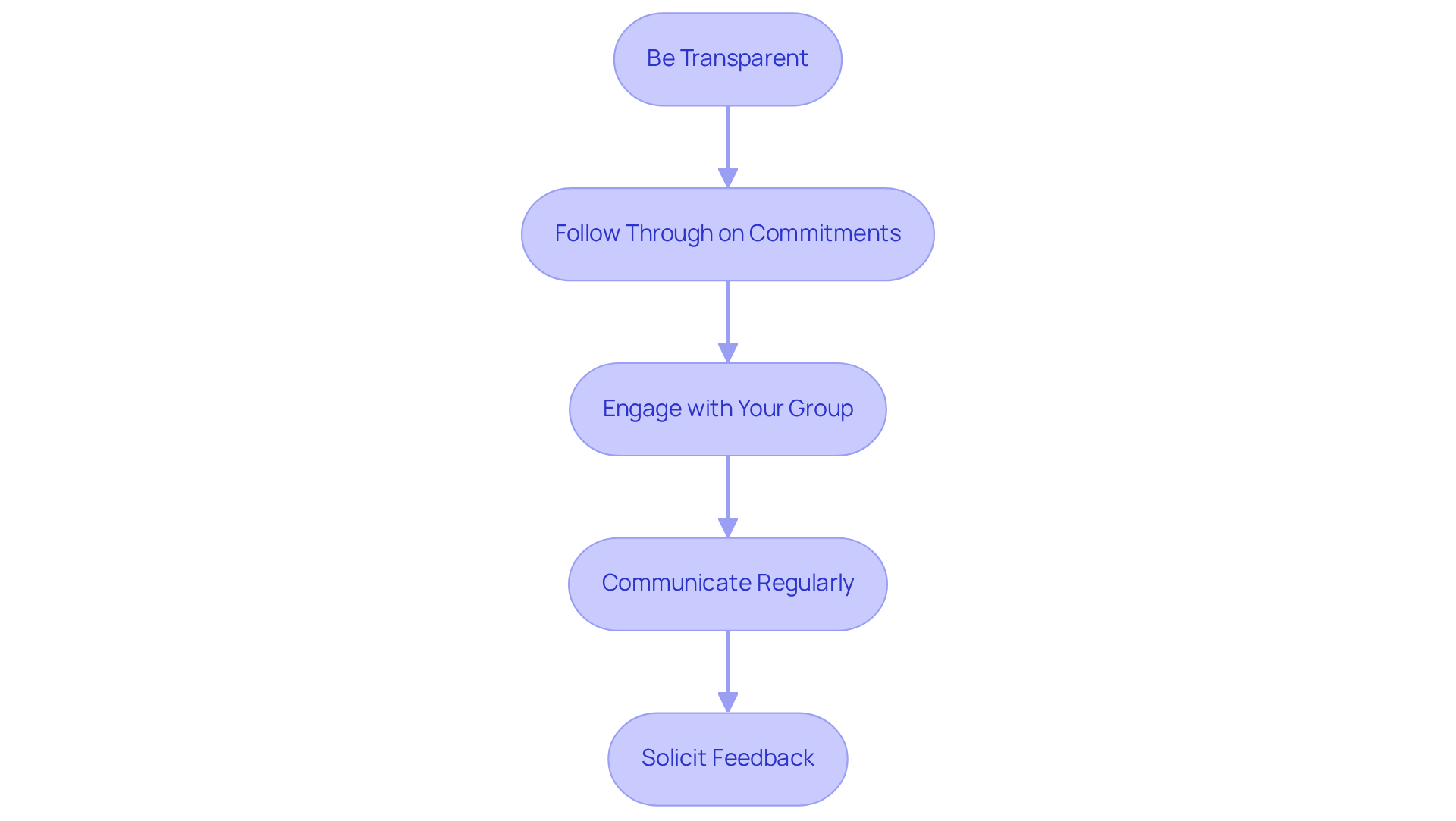
Building trust and credibility is essential for effective real estate oversight in a competitive market. Consider the following steps:
- Be Transparent: Clearly share your vision and goals with your group and tenants. Transparency fosters trust and encourages collaboration, which is essential in the competitive San Francisco Bay Area market.
- Follow Through on Commitments: If you promise to address an issue or implement a change, ensure you follow through. Reliability is a cornerstone of trust, crucial for maintaining tenant satisfaction and loyalty.
- Engage with Your Group: Understanding your members’ strengths and motivations can strengthen group dynamics and boost leadership effectiveness.
- Communicate Regularly: Keep lines of communication open. Regular updates regarding facility oversight activities and changes can help ease concerns and foster trust among tenants and staff alike.
- Solicit Feedback: Encourage team members and tenants to provide input on your leadership style and decisions. It demonstrates that you appreciate their feedback and are dedicated to improving.
These strategies lay a strong foundation of trust and credibility, essential for effective real estate oversight. In fact, statistics indicate that transparent real estate practices can significantly reduce issues related to tenant turnover and enhance overall satisfaction. By prioritizing these elements, The Housing Guild can continue to thrive in the San Francisco Bay Area’s dynamic rental market.
Implement a 30-60-90 Day Plan
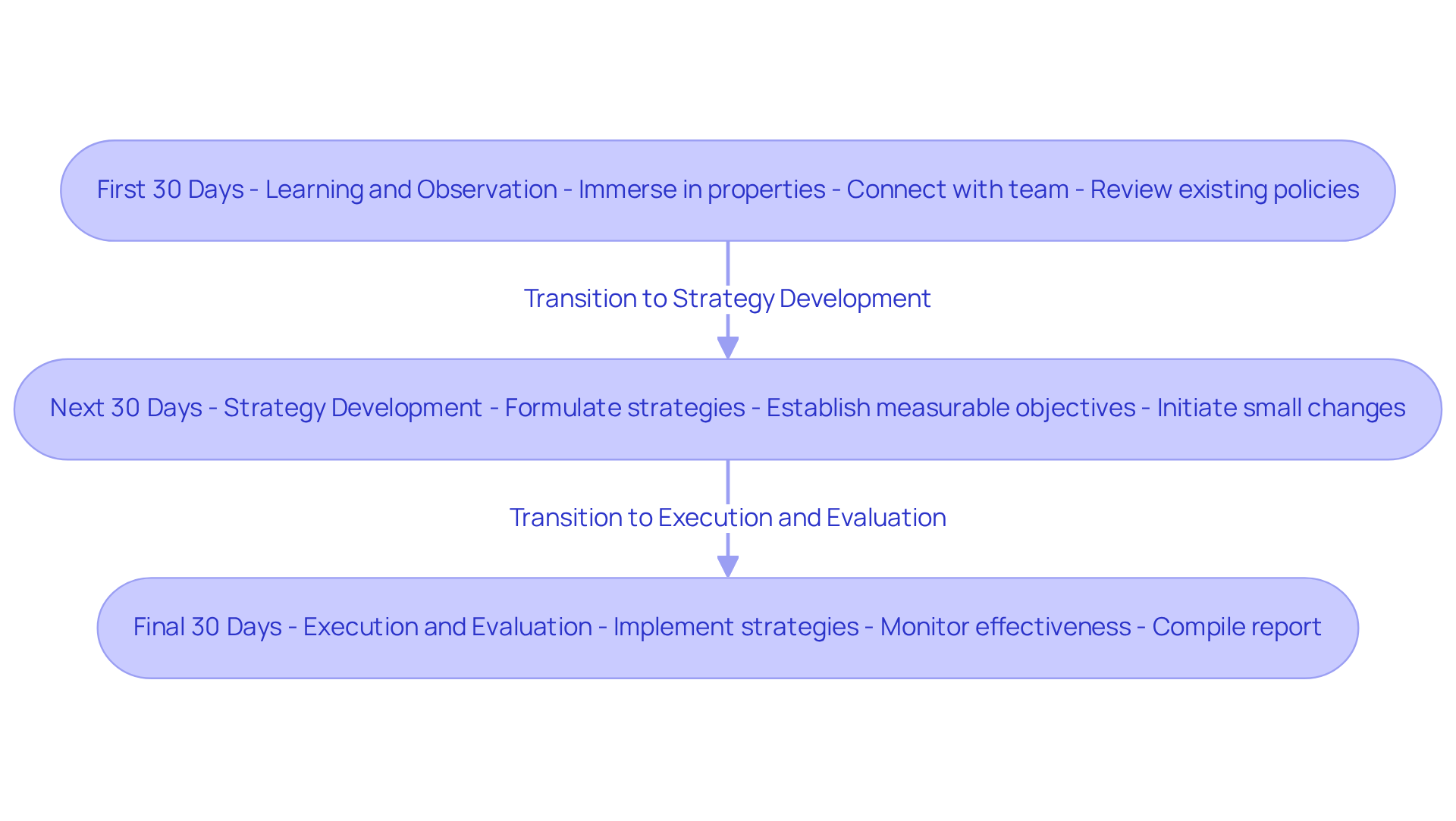
For new managers in real estate, having a well-structured plan for the first 90 days is essential for a trusted manager to enforce policies and navigate their roles effectively. Here’s how to implement one:
-
First 30 Days – Learning and Observation:
- Immerse yourself in the properties under your management, paying close attention to their unique characteristics and tenant requirements.
- Take the time to connect with your team, understanding their roles and gathering valuable insights on how things currently operate.
- As a trusted manager to enforce policies and first 90 days, it is essential to review existing policies and procedures carefully to identify opportunities for improvement.
-
Next 30 Days – Strategy Development:
- Utilize your observations to formulate strategies aimed at refining property management practices. This may involve enhancing tenant communication or optimizing maintenance workflows.
- Establish specific, measurable objectives for your group and ensure these are communicated effectively.
- Initiate small, impactful changes that can deliver quick wins, such as revising communication protocols or launching tenant engagement initiatives.
-
Final 30 Days – Execution and Evaluation:
- Implement your strategies and closely monitor their effectiveness. Solicit opinions from both your team and tenants to assess the impact of the changes made.
- Be prepared to adjust your approach based on feedback and results to foster continuous improvement.
- Compile a report summarizing your achievements and identifying areas for further development, laying the groundwork for sustained success.
Ultimately, this structured approach not only enhances management effectiveness but also requires a trusted manager to enforce policies and first 90 days, significantly improving tenant relations.
Assess Team Strengths and Dynamics
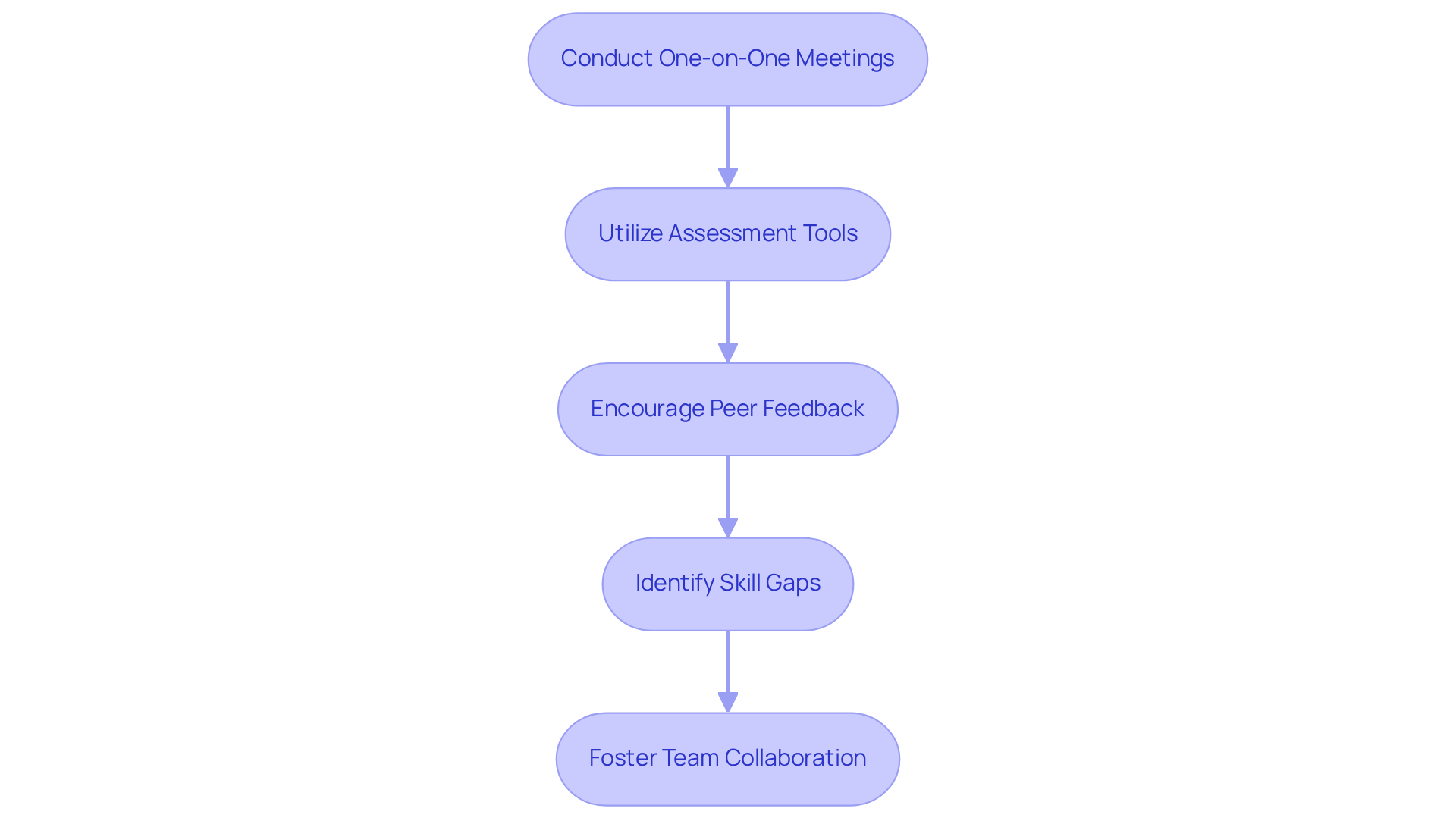
To effectively assess team strengths and dynamics, a structured approach is essential:
- Conduct One-on-One Meetings: Schedule individual meetings with each member to discuss their roles, strengths, and areas for improvement. This personal touch fosters trust and opens communication.
- Utilize Assessment Tools: Implement tools like SWOT analysis (Strengths, Weaknesses, Opportunities, Threats) to evaluate group dynamics and individual contributions, providing a structured approach to understanding group capabilities.
- Encourage Peer Feedback: Create opportunities for members to provide feedback on each other’s strengths and areas for growth. This practice enhances collaboration and mutual respect, fostering a supportive group environment.
- Identify Skill Gaps: Identifying skill gaps is crucial, as they can significantly hinder team performance. Analyze the skills present within your group and pinpoint any gaps that may require training or potential hires to enhance group effectiveness.
- Foster Team Collaboration: Encourage team-building activities that allow members to work together and understand each other’s strengths. Such initiatives can significantly enhance group cohesion and overall performance.
By systematically evaluating group strengths and dynamics, you will be better prepared to lead effectively and maximize your group’s potential in management. Recent data reveals that about 75% of real estate managers feel secure in their positions, underscoring the importance of a well-organized team in this competitive landscape. As Jez Nolan, Managing Director of Ingenious, states, “A high-performing group isn’t just a collection of individuals; it’s a well-coordinated unit that efficiently manages assets, handles tenant relationships, and navigates the complexities of ownership.” Furthermore, referencing the case study ‘Building a Cohesive Property Management Group’ illustrates how a strong structure can enhance efficiency and client satisfaction. This structured evaluation is vital for maintaining a competitive edge in the real estate market.
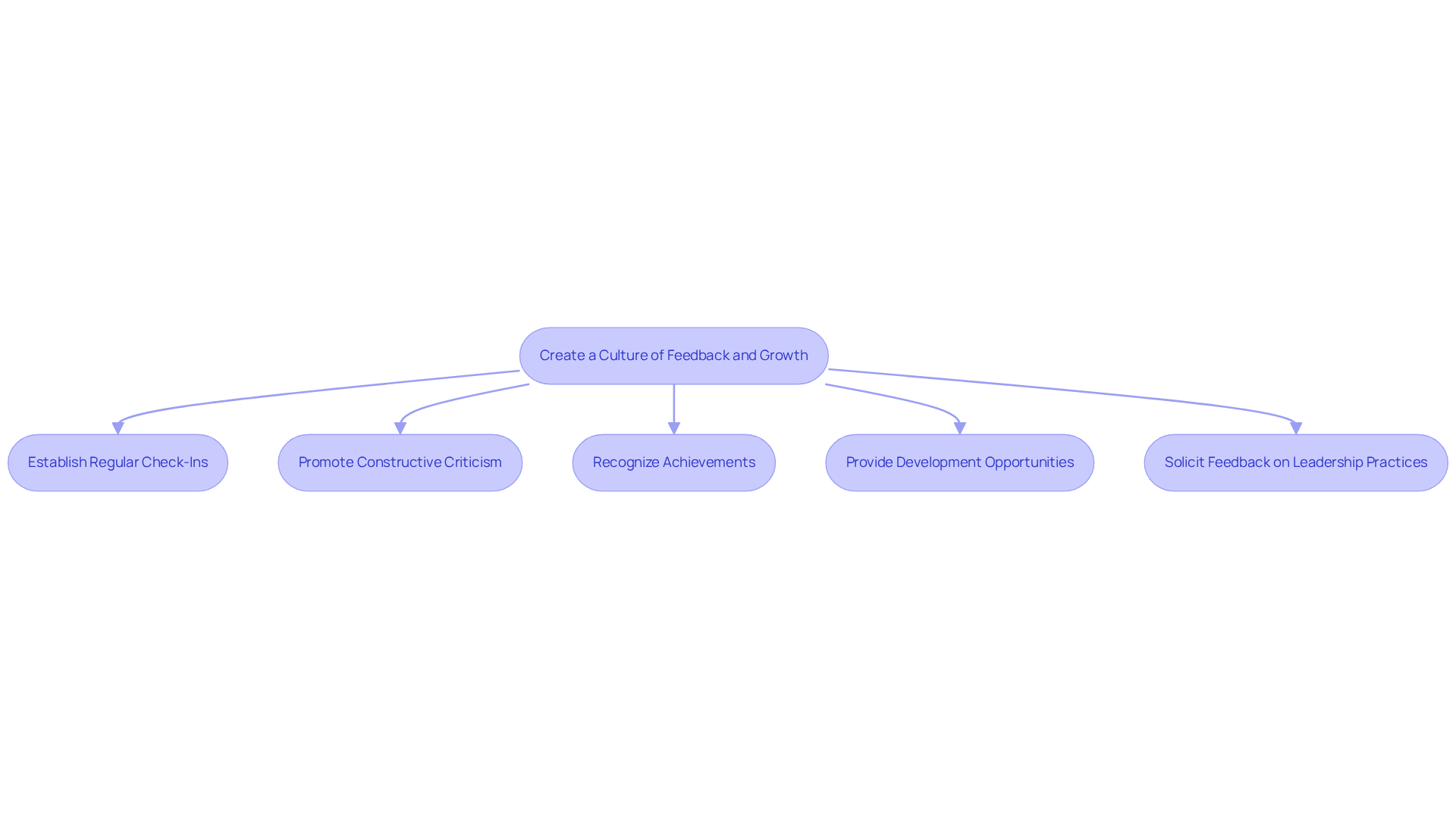
Create a Culture of Feedback and Growth
To foster a thriving culture of feedback and growth in property management, implementing strategic practices is essential:
- Establish Regular Check-Ins: Schedule consistent one-on-one and group meetings to discuss progress, challenges, and insights. Regular check-ins keep communication open and encourage ongoing dialogue among team members. Establishing clear expectations for response delivery during these check-ins can significantly enhance the effectiveness of the evaluation culture.
- Promote Constructive Criticism: Offer training for your group on how to effectively give and receive constructive criticism. This initiative fosters a safe environment for sharing ideas and addressing concerns, which is crucial in property management. Emphasizing civility and respect during feedback exchanges will ensure productive interactions and enhance group dynamics.
- Recognize Achievements: Celebrate both individual and group successes to enhance morale and motivation. Recognition serves as a powerful tool to encourage continued effort and engagement, reinforcing a positive workplace culture. Research shows that 78% of employees reported that being recognized motivates them in their job, highlighting the importance of acknowledgment in fostering a supportive environment.
- Provide Development Opportunities: Offer training sessions, workshops, or mentorship programs aimed at helping members enhance their skills and advance their careers. Investing in professional development boosts performance and job satisfaction, which benefits real estate outcomes.
- Solicit Feedback on Leadership Practices: Regularly seek input from your group regarding your leadership style and decisions. This practice demonstrates that you value their perspectives and are committed to refining your leadership approach. Engaging in this dialogue can help reduce burnout and increase employee engagement, as employees who feel heard are more likely to stay with their organization.
Ultimately, a strong feedback culture not only enhances individual performance but also drives overall success in property management.
Conclusion
Transitioning into a leadership role as a property manager presents challenges that require a strategic approach to enforce policies effectively within the first 90 days. A new manager should adopt a leadership mindset, encourage open communication, and build trust with tenants and team members. This approach lays a solid foundation for success.
Establishing credibility and transparency is vital. These elements are crucial for maintaining tenant satisfaction and loyalty in the competitive San Francisco Bay Area market.
Key strategies discussed include implementing a structured 30-60-90 day plan that focuses on learning, strategy development, and execution. Assessing team strengths and dynamics through one-on-one meetings and feedback mechanisms enhances collaboration and performance. Additionally, creating a culture of feedback and growth not only improves individual performance but also drives overall success in property management. These practices are essential for new managers aiming to cultivate a motivated and engaged team.
Becoming a trusted manager involves more than enforcing policies; it requires leading with integrity, fostering support, and striving for continuous improvement. Neglecting these strategies may hinder your impact in property management and your ability to build a reputation as a trusted leader.
Frequently Asked Questions
How can I shift my mindset from a traditional managerial role to a leadership role?
To shift your mindset, embrace a growth mindset, lead by example, foster open communication, set clear expectations, and invest in team development. These principles help cultivate a motivated and engaged team, essential for effective property management.
What does it mean to embrace a growth mindset in leadership?
Embracing a growth mindset means acknowledging that challenges are opportunities for growth. It involves inspiring your team to view setbacks as valuable learning experiences, fostering resilience and adaptability.
How can I lead by example as a manager?
Leading by example involves modeling the behaviors and attitudes you want to instill in your team, such as punctuality, professionalism, and a commitment to excellence, which are crucial in the competitive property management landscape.
Why is open communication important in a leadership role?
Open communication establishes a culture that encourages dialogue and the sharing of ideas and concerns. It improves group cohesion and innovation, and utilizing tools like The Housing Guild’s Online Owner Portal can enhance communication through built-in messaging and notifications.
How can I set clear expectations for my team?
Clearly define roles, responsibilities, and performance expectations to help team members understand their contributions to the overall objectives of real estate oversight, ensuring alignment with organizational goals.
What are some ways to invest in team development?
Promote continuous learning and professional growth by providing resources for training and skill enhancement, empowering your team to excel in their roles and adapt to evolving industry demands.
What steps can I take to build credibility and trust from day one?
To build credibility and trust, be transparent about your vision and goals, follow through on commitments, engage with your team, communicate regularly, and solicit feedback from team members and tenants.
How does transparency contribute to trust in property management?
Transparency fosters trust and encourages collaboration, which is essential in the competitive San Francisco Bay Area market. It helps maintain tenant satisfaction and loyalty.
Why is it important to follow through on commitments?
Following through on commitments is crucial for reliability, which is a cornerstone of trust. It helps maintain tenant satisfaction and loyalty, essential for effective real estate oversight.
How can soliciting feedback improve my leadership?
Soliciting feedback demonstrates that you value your team members’ input and are dedicated to improving your leadership style and decisions, which can strengthen group dynamics and boost leadership effectiveness.
List of Sources
- Shift Your Mindset to Leadership
- Growth Mindset in the Workplace 2024 | TalentLMS Research (https://talentlms.com/research/growth-mindset-workplace-report)
- FirstService Residential acquires CitiScape Property Management Group (https://fsresidential.com/corporate/news-and-articles/press-releases/firstservice-residential-acquires-citiscape)
- 80% of companies say a growth mindset culture directly drives profits; we say, of course! (https://theequityaccelerator.substack.com/p/80-of-companies-say-a-growth-mindset)
- Growth Mindset: Why It’s Needed for Successful Leadership (https://blog.growthinstitute.com/the-edge/growth-mindset-successful-leadership)
- 80% of Companies Say Growth Mindset Drives Profits and Success (https://forbes.com/sites/bryanrobinson/2024/10/27/80-of-companies-say-a-growth-mindset-among-employees-directly-drives-profits)
- Build Credibility and Trust from Day One
- NAA and Coalition Comment on FTC Proposed Rulemaking Regarding Rental Housing Fee Practices | National Apartment Association (https://naahq.org/naa-and-coalition-comment-ftc-proposed-rulemaking-regarding-rental-housing-fee-practices)
- Multifamily Housing & Real Estate News and Analysis | Multifamily Dive (https://multifamilydive.com)
- Why Transparency Matters in Property Management | BRIGS (https://brigsllc.com/resources/why-transparency-matters-in-property-management)
- FTC Sends Warning Letters to 13 Property Management Software Providers Nationwide (https://ftc.gov/news-events/news/press-releases/2025/12/ftc-sends-warning-letters-13-property-management-software-providers-nationwide)
- News | Columbia Property Trust (https://columbia.reit/news)
- Implement a 30-60-90 Day Plan
- Property Management Industry Statistics (https://rubyhome.com/blog/property-management-stats)
- The First 90 Days of a Property Management Mandate: Where Value Is Created (https://linkedin.com/pulse/first-90-days-property-management-mandate-where-value-pelosi-cpm-i2loc)
- Ensuring Success of a Property Acquisition within the first 90 days (https://travtus.com/resources/ensuring-success-of-a-property-acquisition-within-the-first-90-days)
- 90 Day Action Plan for Property Management (https://slideshare.net/slideshow/90-day-action-plan-for-property-management/52195277)
- The First 90 Days After Taking Over a Property: Building a Strong Foundation for Long-Term Success – CRE Insight Journal (https://creinsightjournal.com/the-first-90-days-after-taking-over-a-property-building-a-strong-foundation-for-long-term-success)
- Assess Team Strengths and Dynamics
- The Voice of the Property Manager: Assessing the State of Property Management | National Apartment Association (https://naahq.org/news/voice-property-manager-assessing-state-property-management)
- 7 Tips to Build a Great Property Management Team (https://mashvisor.com/blog/property-management-team)
- Next generation property management: how to structure your team as your business grows (https://eliteagent.com/next-generation-property-management-how-to-structure-your-team-as-your-business-grows)
- 6 Key Strategies for Addressing the Challenges of Floating Property Management Teams (https://thelibertygroup.com/6-key-strategies-for-addressing-the-challenges-of-floating-property-management-teams)
- How to build a high-performing team in property management – Ingenious (https://ingenious.co.uk/insights/investing-in-people-how-to-build-a-high-performing-team-in-property-management)
- Create a Culture of Feedback and Growth
- Embracing Negative Feedback to Improve Employee Satisfaction | National Apartment Association (https://naahq.org/news/embracing-negative-feedback-improve-employee-satisfaction)
- 6 Must-Have Leadership Skills: How to Create a Culture of Respect in Property Management (https://gracehill.com/blog/creating-a-civil-and-respectful-workplace)
- Feedback Culture: What It is and How To Build It | ThoughtExchange (https://thoughtexchange.com/blog/feedback-culture)
- How can a continuous feedback culture transform performance? | The Access Group (https://theaccessgroup.com/en-gb/blog/hcm-continuous-feedback-culture-and-performance)
- Recognizing And Rewarding Team Members: A Key Strategy For Property Management Success – Property Management Coaching (https://pmsuccess.com/recognizing-and-rewarding-team-members-a-key-strategy-for-property-management-success)
Owner Resources
Want The Housing Guild to handle this for you?
We manage San Francisco Bay Area buildings for owners — leasing, compliance, maintenance, and accounting. Get a free proposal, or explore the service.